Timber Harvesting & Logging
TIMBER HARVESTING & LOGGING IN PILOT MOUNTAIN, NC
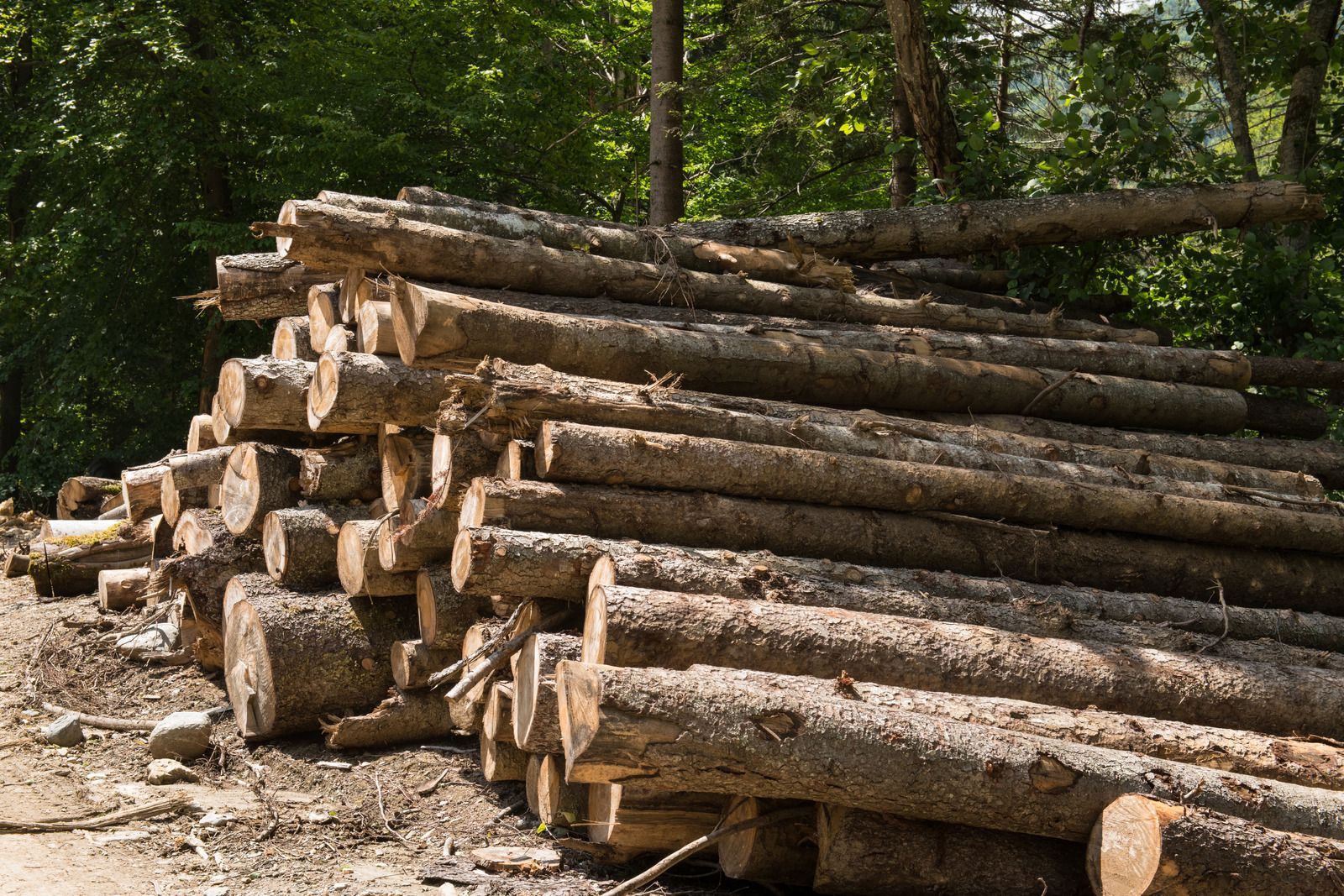
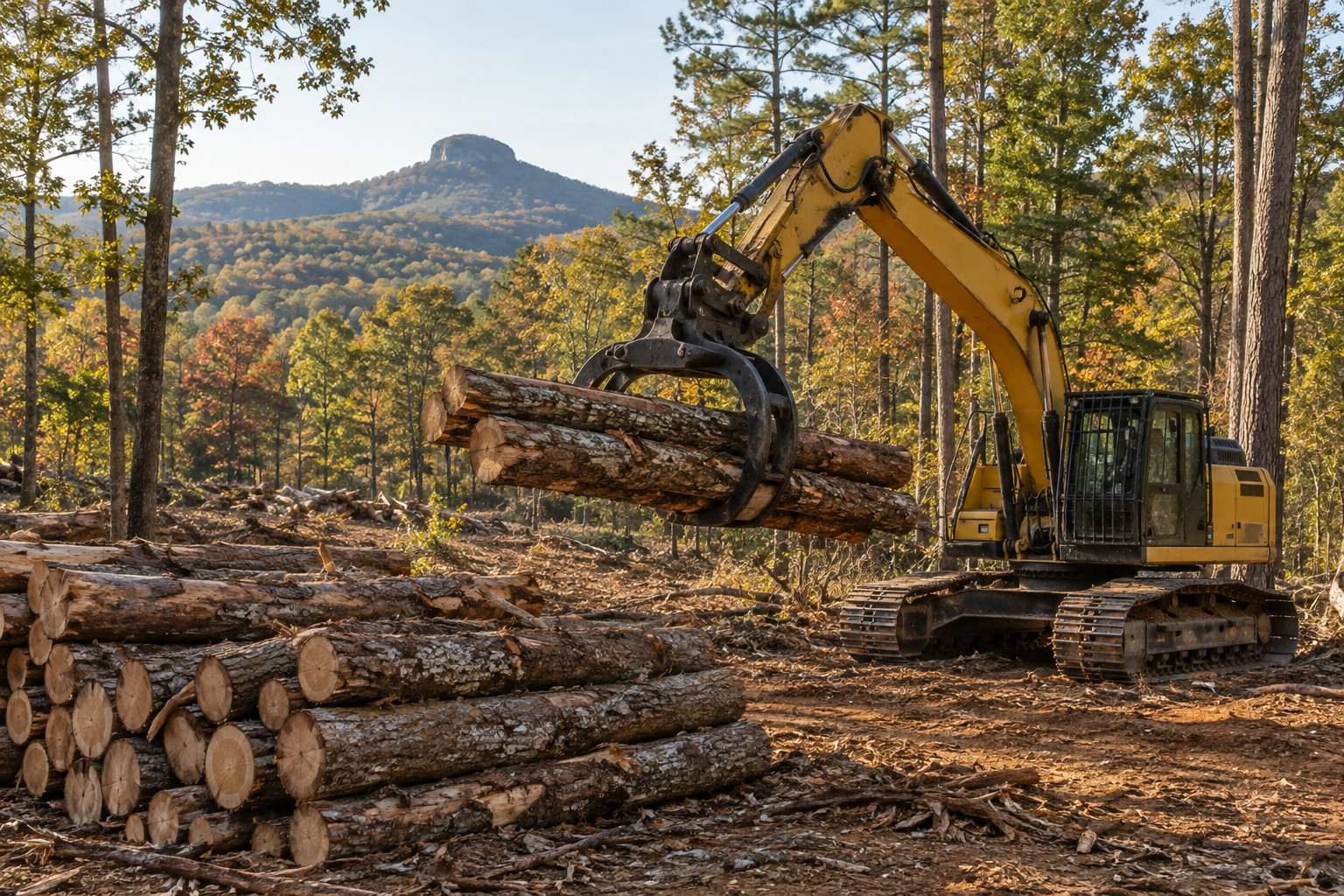
Standing timber is sold by stumpage, the price paid for trees before they are cut, and it is measured in tons or board feet, then sorted into sawtimber, chip-and-saw, and pulpwood by species and quality. Northwest Land & Timber provides timber harvesting and logging in Pilot Mountain, NC, for tracts of 15 acres or less that larger logging crews often pass over, covering clear cuts, select cuts, planted pine thinning, development harvests, and reforestation harvests. Every tract across Surry County and the NC Triad is evaluated on foot at no cost before any offer is made, and each harvest follows North Carolina Forest Service Best Management Practices.
MODEST WOODLOTS STILL HOLD REAL VALUE.
Plenty of landowners assume their few acres of oak, poplar, or pine are too small to interest a logger. Often they are right about the big operators, whose equipment and crews need hundreds of acres to justify a move. Our operation is built the other way around, sized so a modest stand can still produce a worthwhile return without being passed over.
We walk the tract, look at species, size, and access, and tell you plainly whether a harvest makes sense right now.
✓ Free on-site timber evaluation
✓ Clear, written timber agreements
✓ Harvest plans built around your goals
✓ State forestry BMPs on every job
TIMBER HARVESTING & LOGGING
THE FOOTHILLS GROW A MIX OF TIMBER WORTH KNOWING.
Northwestern North Carolina supports a wide range of species. Hardwoods such as oak, hickory, and walnut grow beside softer hardwoods like poplar, maple, and sweet gum, while loblolly, shortleaf, and white pine fill planted and natural stands. Each species sells to different mills at different prices, and a sound harvest plan sorts them so every log reaches the buyer who pays the most for it.
BUILT FOR SURRY COUNTY TERRAIN AND ACCESS.
Steep grades near the Sauratown Mountains, wet bottoms along creeks, and long farm lanes all shape how a harvest runs and what it costs. Distance to market matters too, since some species require bypassing closer mills that will not take them. We plan skid trails, loading decks, and road access around those realities before a single tree is cut.
WE ANSWER TO THE NC FORESTRY ASSOCIATION'S STANDARDS.
Since 2021, we have harvested timber as an NCFA member and Pro Logger certified crew, which means annual continuing education on safety, water quality, and sustainable practices. That training shows in how we protect streams, handle debris, and leave a site ready for replanting or development. Wondering what your trees could bring?
WHY CHOOSE US FOR TIMBER HARVESTING & LOGGING.
A Buyer for Small Tracts
Stands too small for large mechanized crews still get a fair look from us. You gain access to timber markets that would otherwise ignore a few acres of marketable trees on your property.
Value Explained, Not Guessed
We explain how species, diameter, straightness, defects, and mill distance shape stumpage. You understand exactly why your timber is worth what it is before any agreement is signed or any trees are cut.
Protected Streams and Soil
Harvests follow state forestry guidelines for streamside buffers, crossings, and debris control. Water quality stays intact, and the land avoids the gullies and sediment problems that careless logging leaves behind.
Trees You Want Kept
Shade trees near the house, a favorite white oak, or a stand you plan to hold for later can all be marked and protected, so the harvest removes only what you have agreed to sell.
Flexible Payment Timing
Payments follow a written agreement and can be arranged weekly, monthly, or at the end of the harvest. You choose the schedule that fits your plans for the income before work begins.
Land Ready for What Is Next
A finished harvest leaves ground suited for replanting, pasture, or development. When a building project follows, clearing and grading can continue without bringing in another contractor or waiting on a second schedule.
our services
OUR TIMBER HARVESTING WORK
Six harvest methods cover most of the woodlots we see. The right one depends on your stand, your timeline, and what you want the land to do once the trucks are gone.
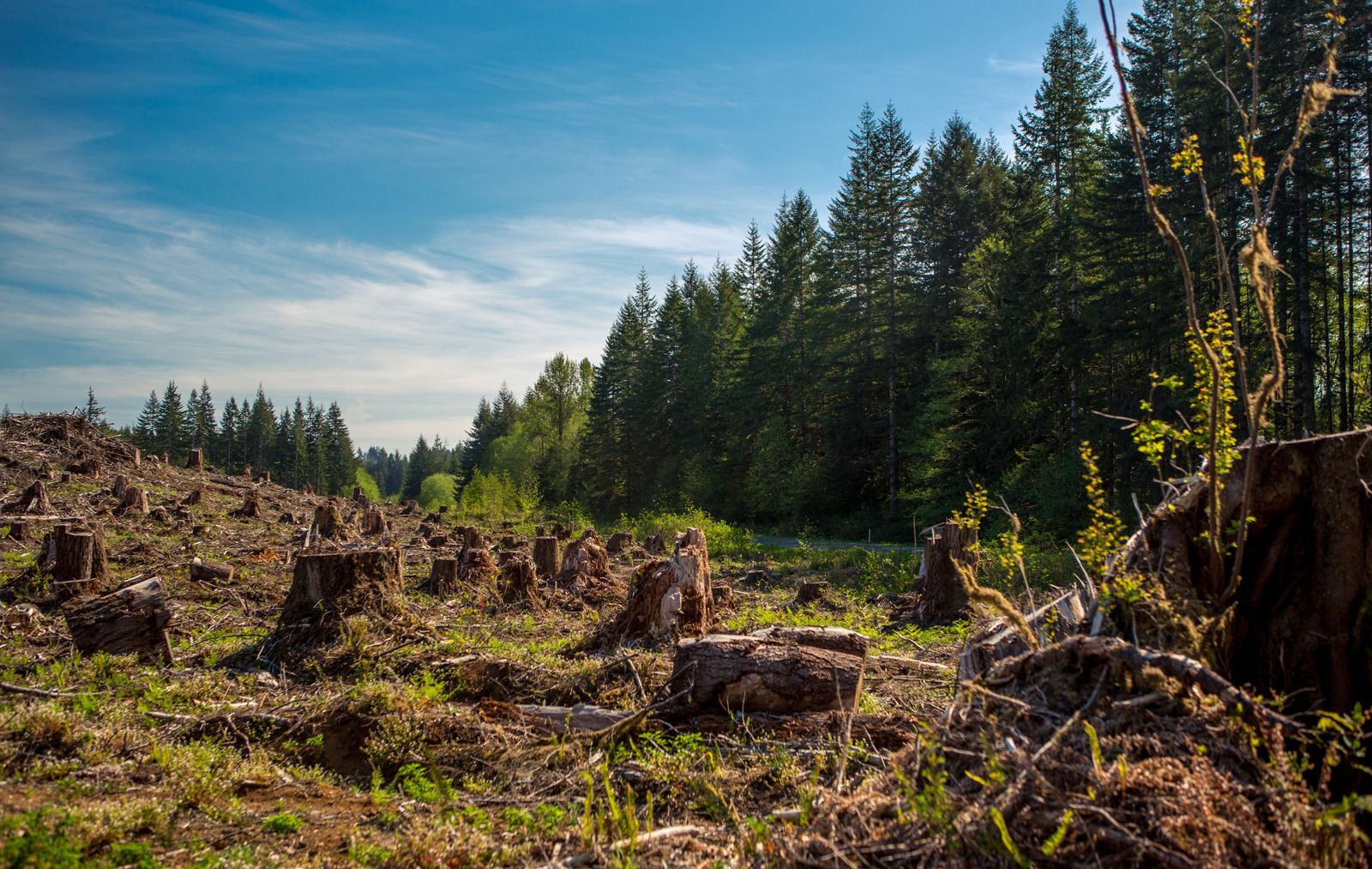
FULL HARVEST
Clear Cutting
Every merchantable tree in the agreed area is removed in one operation. Clear cutting suits mature pine stands and properties headed for replanting or conversion, and it often returns the highest single payment from a tract.
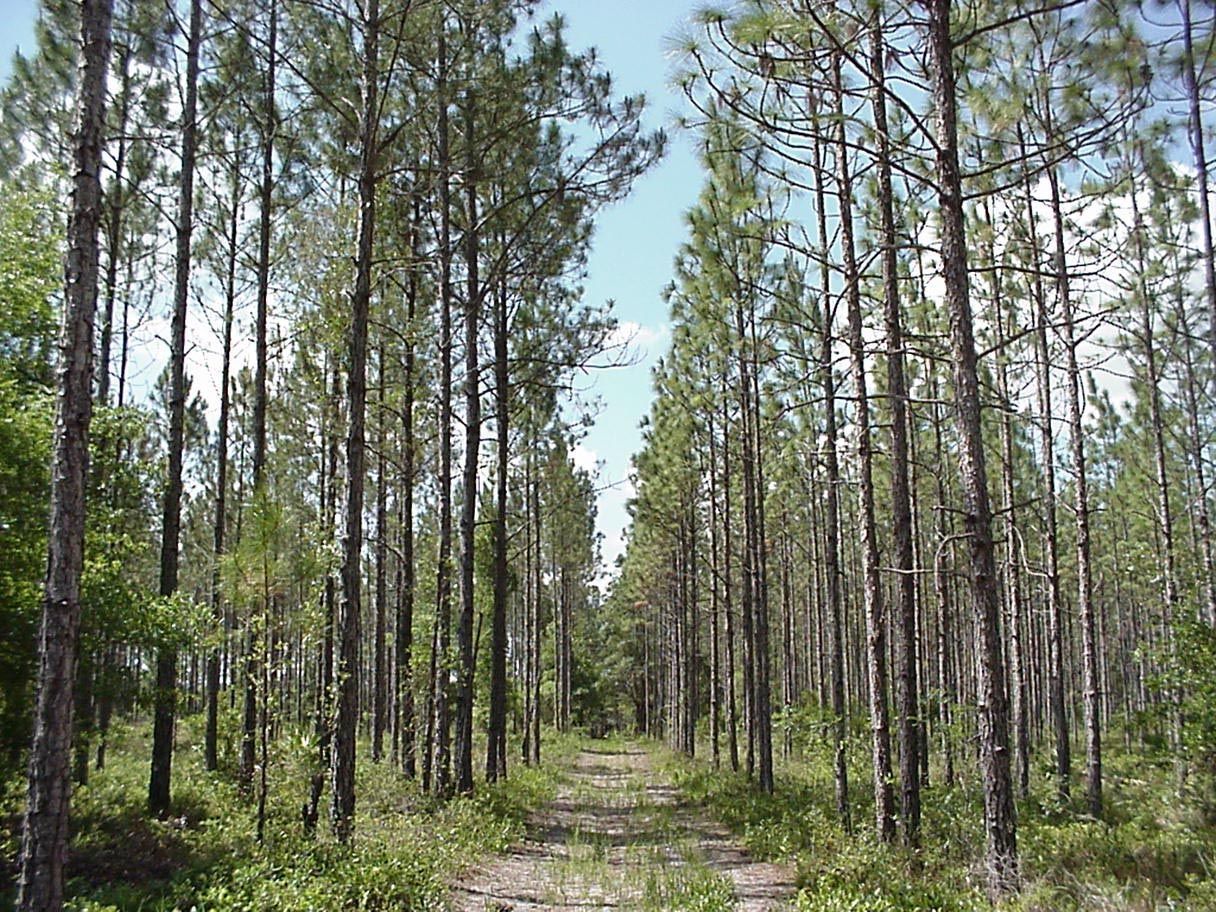
PINE STANDS
Planted Stand Thinning
Crowded pine plantations are thinned by removing selected rows and weaker stems, giving the remaining trees more light, water, and room to add diameter so they bring stronger sawtimber prices at a later harvest.
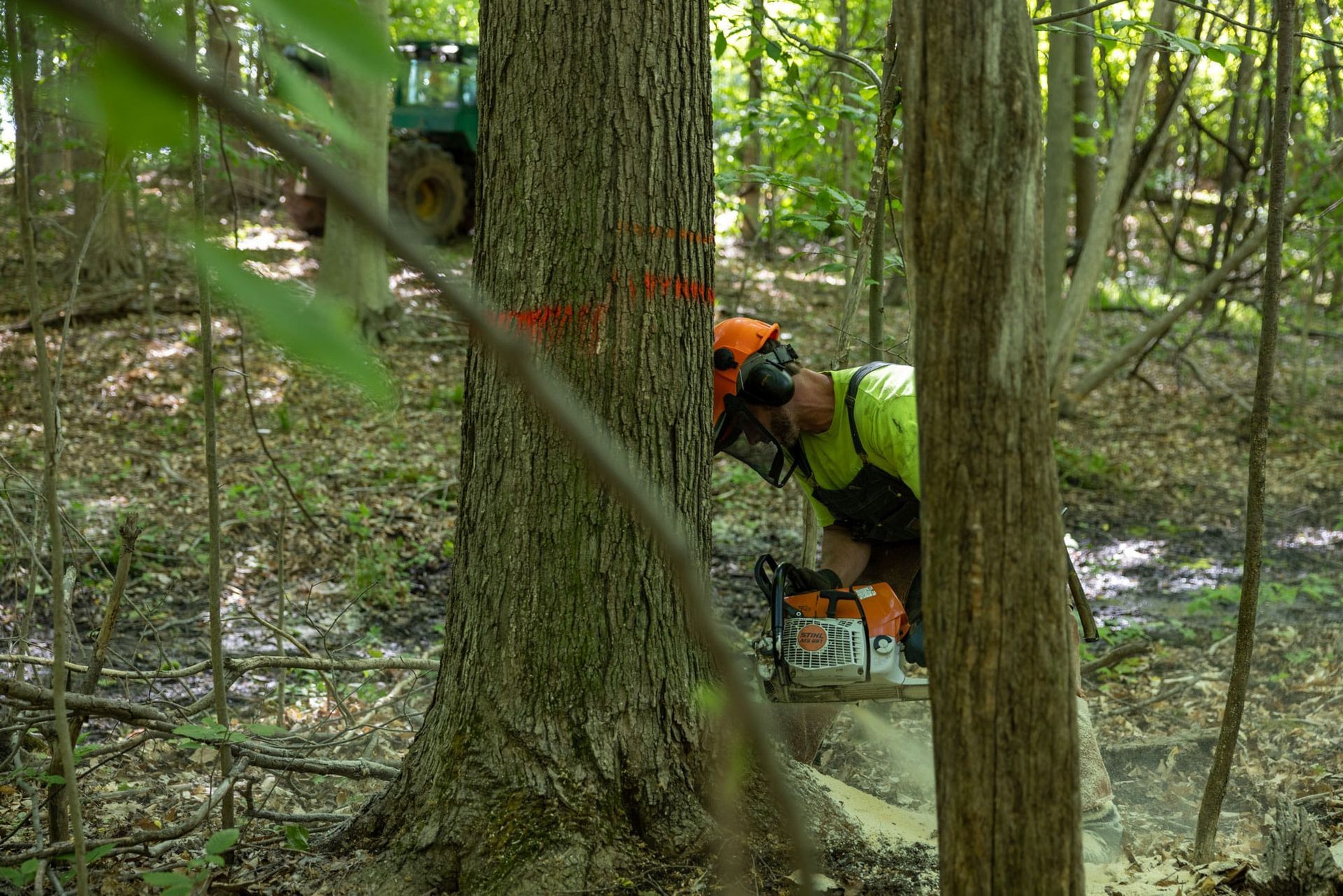
SELECTIVE WORK
Select Cutting
Individual trees are chosen for removal based on size, species, and condition, while younger and healthier stems stay standing. Select cutting keeps the woods looking wooded and supports another harvest in the years ahead.
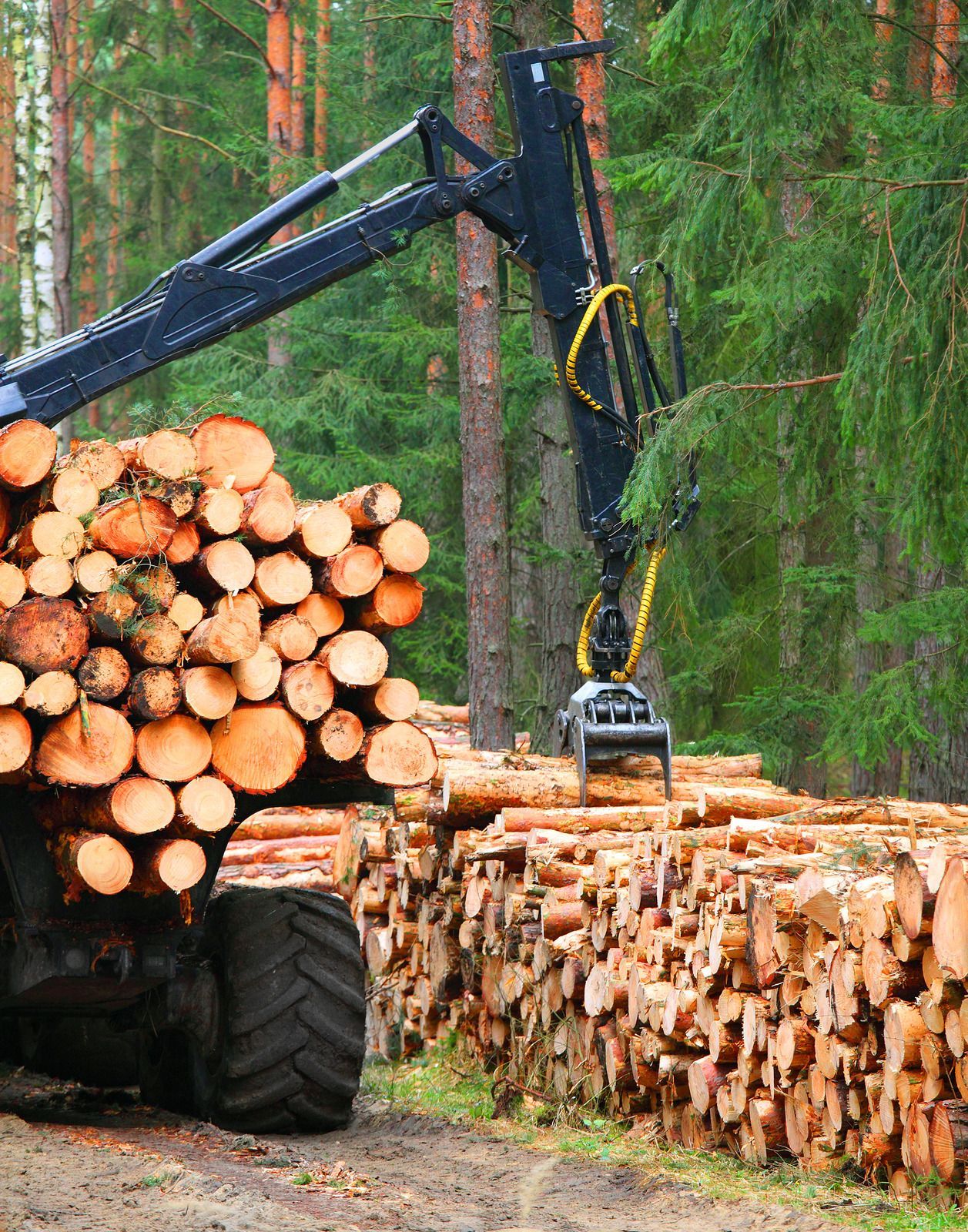
BUILDING SITES
Residential and Development Harvesting
Marketable timber is removed from a future homesite or commercial lot before clearing begins. Selling those logs first puts money back toward preparation costs rather than sending valuable wood into a mulch pile.
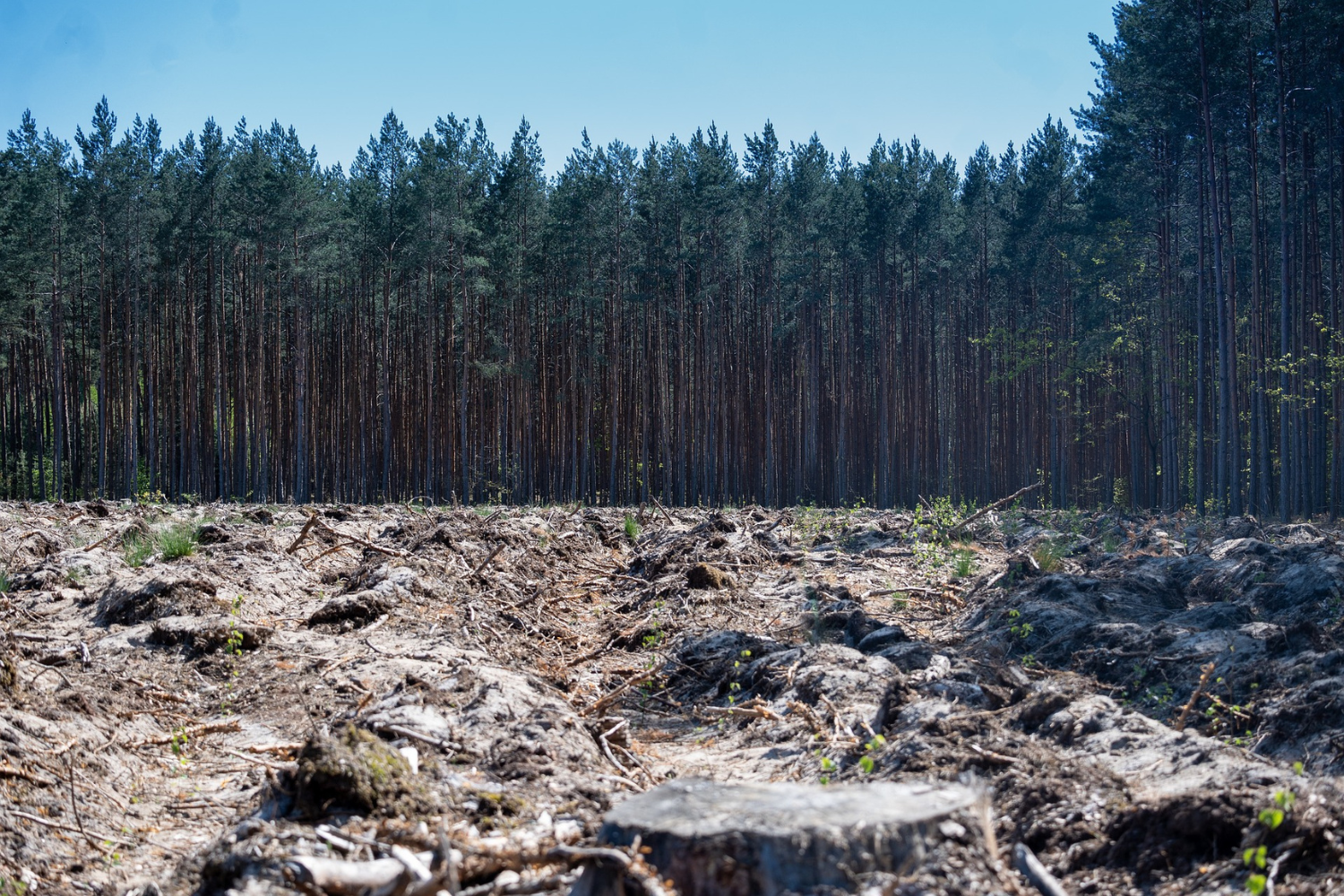
NEW GROWTH
Reforestation Harvesting
Harvests planned with the next forest in mind leave the site prepared for planting or natural regeneration. Skid trails, decks, and debris are managed so seedlings can take hold across the tract.
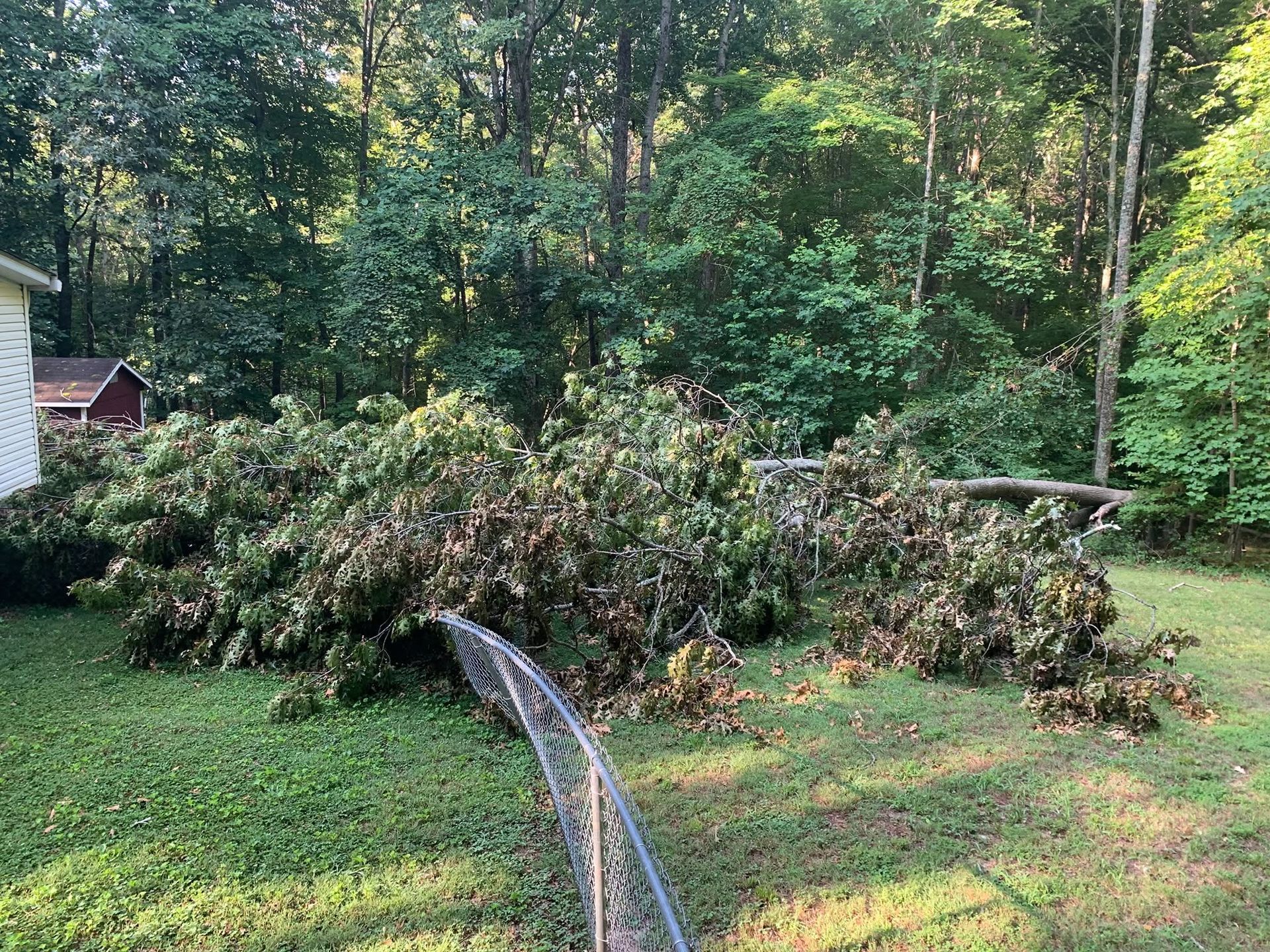
STORM SALVAGE
Storm-Damaged Timber Recovery
Trees snapped or uprooted by straight-line winds, tornadoes, or ice storms lose value quickly as stain and decay set in. Prompt salvage recovers what remains marketable and clears hazardous tangles from the property.
THE WORD ON OUR WORK
WHAT OUR CLIENTS SAY.
Landowners who sell timber with us usually mention the same things afterward: the process was explained in plain terms, the harvest matched what was agreed, and the property was left in better shape than expected. We work to hear that on every tract.
FAQs
FREQUENTLY ASKED QUESTIONS.
Selling timber is something most landowners do once or twice in a lifetime, so questions are natural. These answers cover what we hear most often during a first walk through the woods.
What is the difference between clear cutting and selective cutting?
Clear cutting removes every merchantable tree in the harvest area at once, while selective cutting takes chosen trees and leaves the rest standing. Clear cuts suit replanting or conversion, and selective cuts keep a forest in place for future harvests.
What does stumpage mean in a timber sale?
Stumpage is the price a buyer pays for timber while it is still standing, before cutting and hauling costs are covered. It is quoted per ton or per thousand board feet and varies by species, product class, and mill location.
How long does it take to log a small tract of timber?
Most small tracts are harvested within a few days to a few weeks. Northwest Land & Timber schedules jobs around Pilot Mountain, NC, based on acreage, terrain, and weather, since wet ground can pause work until the soil firms up again.
What is the difference between sawtimber and pulpwood?
Sawtimber comes from larger, straighter trees that mills cut into lumber, and it typically brings the highest prices per ton. Pulpwood comes from smaller or lower-grade trees used for paper and wood fiber products, and chip-and-saw falls between the two.
When is the best time of year to harvest timber?
Dry seasons usually work best, since firm ground limits rutting and keeps skid trails stable. Late summer, fall, and cold dry stretches of winter are common windows, while long wet spells can delay harvesting on clay soils or steep slopes.
Does thinning a pine plantation increase its value?
Yes, in most well-stocked stands. Thinning removes crowded and weaker stems, so the remaining pines grow larger diameters faster and move into higher-paying sawtimber classes, while the thinning itself often produces a welcome early income from pulpwood and small logs.
Do I need to replant after a timber harvest in North Carolina?
Replanting is not required for most private harvests unless the land is enrolled in a program that demands it. Many owners still replant pine or allow hardwoods to regenerate naturally, and the harvest can be planned to support either outcome.
How do I choose a logger for a small timber sale?
Look first for Pro Logger certification, a written contract, and clear payment terms. Northwest Land & Timber meets all three in Pilot Mountain, NC, and has focused on small-tract harvests since 2021, walking every property in person before making an offer.
HOW WE WORK
FROM STANDING TIMBER TO SETTLED PAYMENT, HERE IS HOW.
STEP 01
Walk the Tract Together
We meet you on the property, listen to your goals, and look over species, tree size, access, and terrain. There is no charge for this visit, and you are under no obligation afterward.
STEP 02
Estimate Volume and Value
Marketable trees are assessed by product class and measured in tons or board feet. Mill distance, species demand, and harvest conditions are factored in so the offer reflects what the stand can realistically return.
STEP 03
Put the Agreement in Writing
The contract spells out the harvest area, trees to leave, payment method, and timing. Everything is agreed upon in writing before equipment arrives, so there are no surprises once the cutting starts.
STEP 04
Mark Boundaries and Protected Areas
Property lines, streamside zones, and trees you want kept are identified and flagged. Skid trails and a loading deck are laid out to reach the timber with the least disturbance to the ground.
STEP 05
Harvest to State Guidelines
Trees are felled, skidded, and loaded while following Forest Practice Guidelines on stream crossings and debris. Logs are sorted by product so each one goes to the mill paying the best price.
STEP 06
Close Out the Site
Skid trails and decks are smoothed and stabilized, debris is handled as agreed, and payments are settled per the contract. The land is left ready for replanting, pasture, or clearing for construction.