

Residential Land Development
RESIDENTIAL LAND DEVELOPMENT IN PILOT MOUNTAIN, NC
A new North Carolina home that will rely on a septic system cannot start construction until the county health department issues an improvement permit based on a soil evaluation, which means the approved drainfield area has to be protected from the moment clearing begins. Northwest Land & Timber provides residential land development in Pilot Mountain, NC, preparing larger parcels for new homes through clearing, pre-construction timber harvesting, pad grading, driveway access, culvert work, and utility trenching. We plan each homesite across Surry County and the NC Triad so the value of your standing timber can help reduce the total cost of preparing your land.
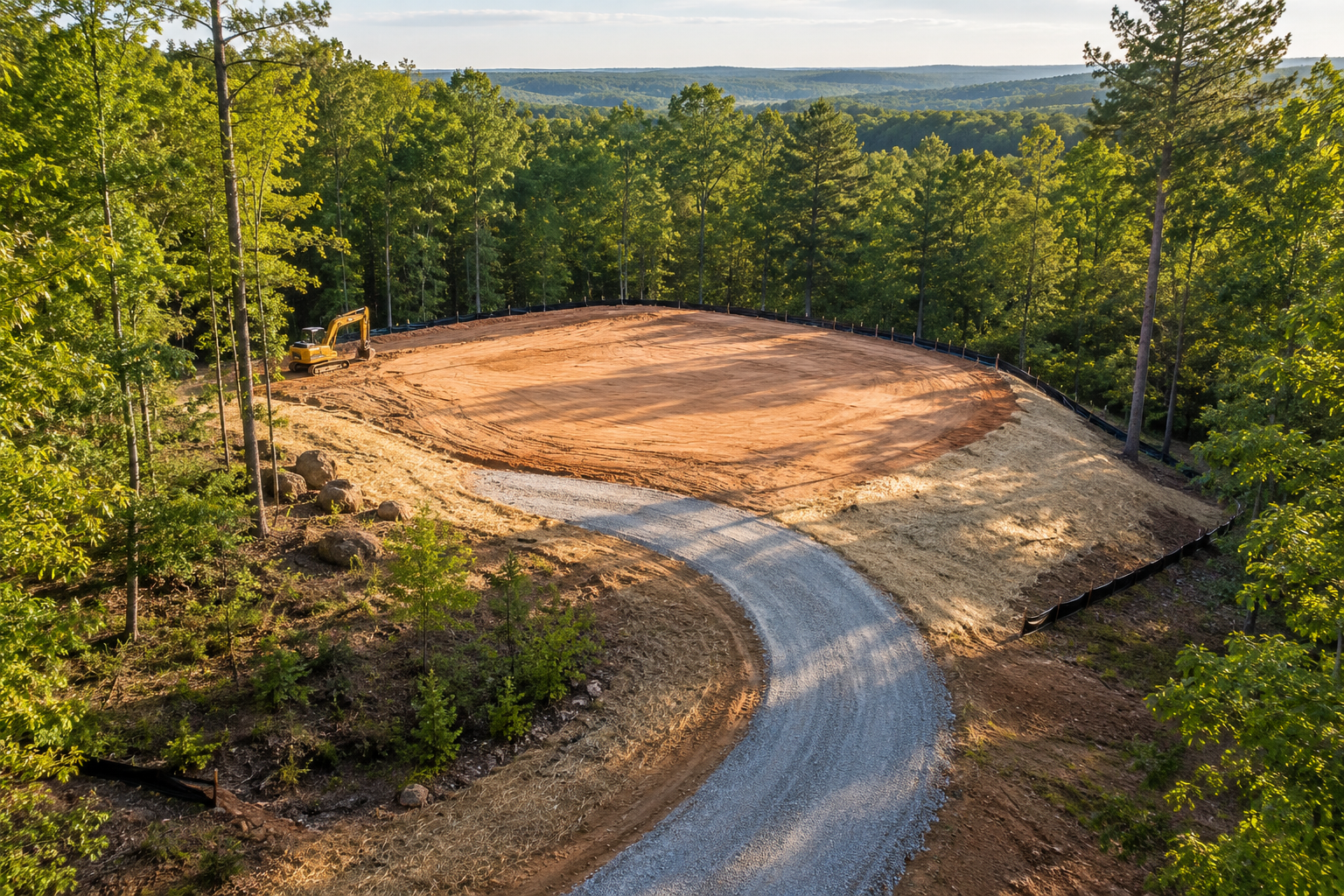
BUILDING A HOME STARTS LONG BEFORE THE FOUNDATION.
Buying rural land is exciting, but turning wooded acreage into a buildable homesite involves more steps than most people expect. Trees have to come down, stumps have to come out, the pad has to be shaped, and your builder needs a driveway that can handle heavy trucks. Each step affects the next, and mistakes early on cost time later.
We coordinate that sequence so your land is ready when your builder is.
✓ Homesite clearing and stump removal
✓ Timber value applied to preparation costs
✓ House pad and driveway prepared together
✓ Drainage and culverts planned from day one
RESIDENTIAL LAND DEVELOPMENT
ONE PLAN FOR EVERYTHING BETWEEN THE ROAD AND YOUR FRONT DOOR.
Most homesites need clearing, grading, and access built in the right order, and splitting that work among several contractors invites delays and finger-pointing. We look at the full picture first: where the house will sit, where the driveway enters, where water flows, and which areas must stay undisturbed for the well or septic. Then we prepare the land as one continuous project.
HOMESITES SHAPED FOR FOOTHILLS VIEWS AND SLOPES.
Many buyers around Pilot Mountain choose land for its views of the knob and the Sauratown range, and those lots often sit on rolling or sloping ground. We fit pads and driveways to the contour so the house gets its view without fighting steep grades, runoff, or long stretches of costly fill.
HOMESITES TEACH PATIENCE, AND WE LEARNED IT EARLY.
Since 2021, we have prepared homesites for families moving onto land here, and we have learned that the best results come from slowing down at the start. Walking the property, marking protected areas, and planning access before clearing saves weeks of rework later. Are you ready to see your homesite take shape?
WHY CHOOSE US FOR RESIDENTIAL LAND DEVELOPMENT.
Timber That Helps Pay the Way
Marketable trees on the homesite can be harvested and sold before clearing starts. Those proceeds can offset part of your clearing and disposal costs, keeping more of your budget available for the home itself.
A Single Point of Contact
Clearing, grading, driveway, and culvert work come from one team. You make one call, get one schedule, and avoid coordinating several contractors whose timelines rarely line up the way you expect.
Protected Septic and Well Areas
Approved drainfield and well locations are marked and kept free of heavy equipment. That protects the soil conditions your permits depend on and avoids costly redesigns after clearing is done.
A Builder-Ready Site
Your homebuilder arrives to a compacted pad, stable access, and working drainage. Construction starts on schedule instead of waiting for site problems to be corrected before the first footing is dug.
The Trees You Want to Keep
Shade trees, privacy buffers, and specimen hardwoods can be marked and protected, so your new home sits in a setting that still feels like the land you fell in love with.
Drainage Planned From the Start
Pad elevations, ditches, and culverts are laid out together, so water moves away from the house and under the driveway rather than toward your foundation during the heavy storms that roll through.
our services
OUR RESIDENTIAL LAND DEVELOPMENT WORK
Preparing a homesite combines several services into one coordinated project. These are the pieces most residential developments on rural land require, handled in the order that keeps your build moving.
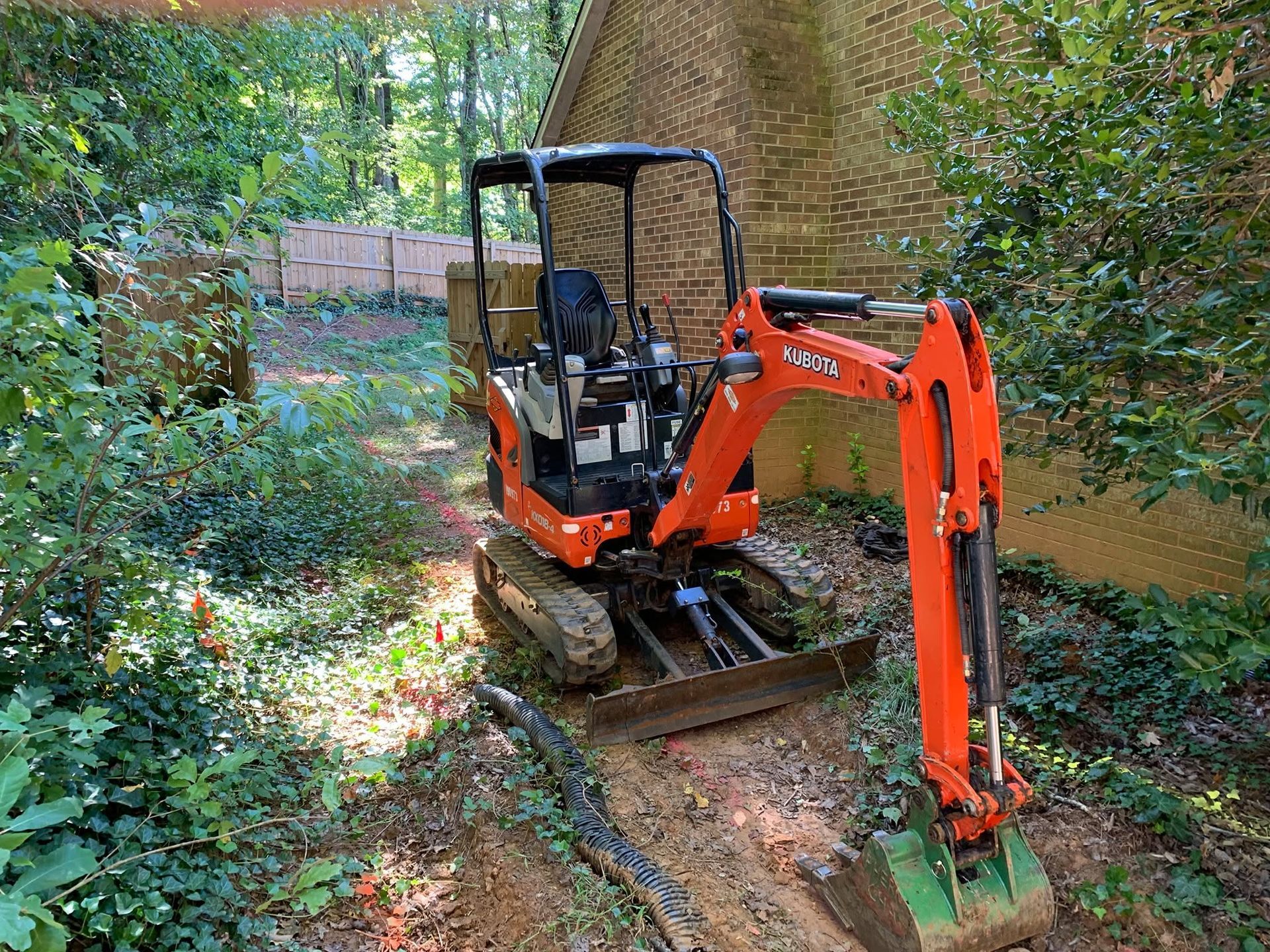
SITE OPENING
Homesite Clearing
Trees, brush, and stumps are removed from the house footprint, yard, and work areas. Clearing limits are set to match your plans, leaving buffers and the trees you want kept standing around the new home.
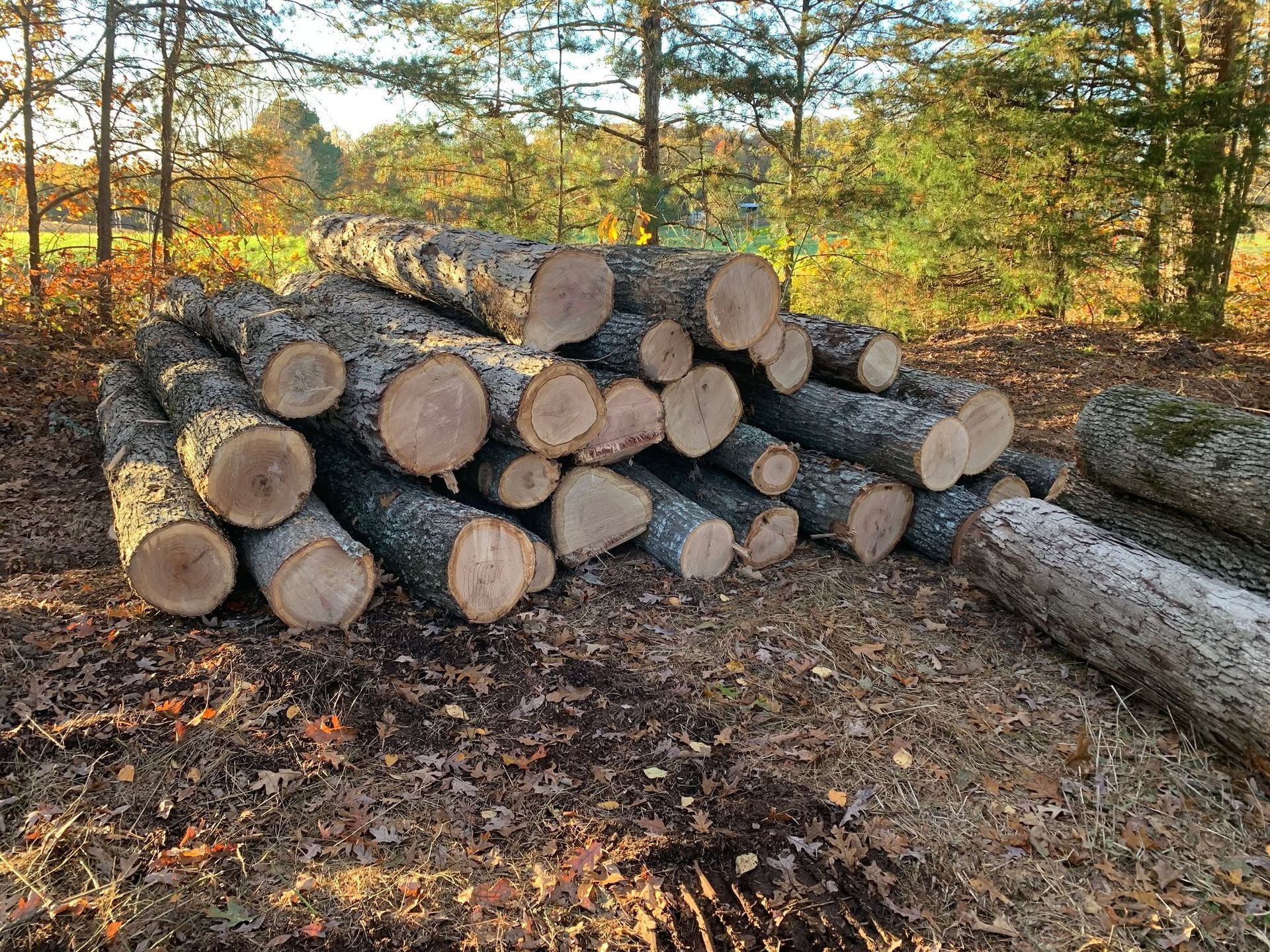
TIMBER FIRST
Pre-Construction Timber Harvest
Merchantable trees on the homesite are harvested and sold before general clearing begins. This step turns part of the woods into project funding rather than sending valuable logs into the debris pile.
HOUSE PADS
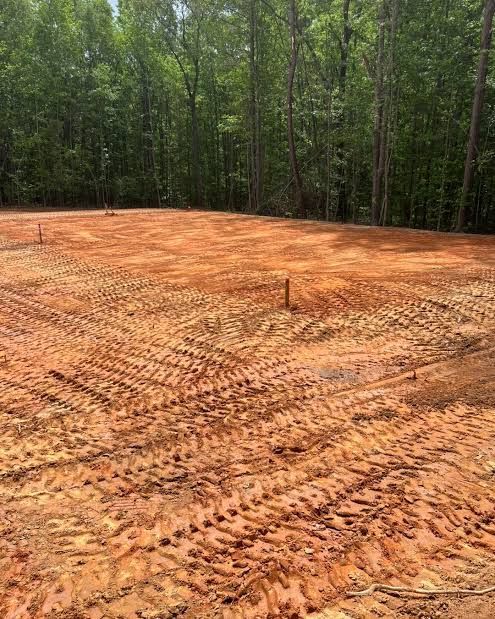
House Pad Grading
The building area is graded, filled where needed, and compacted to create a firm, level pad. Elevations are set so the surrounding ground slopes away from the foundation once the home is built.
ACCESS
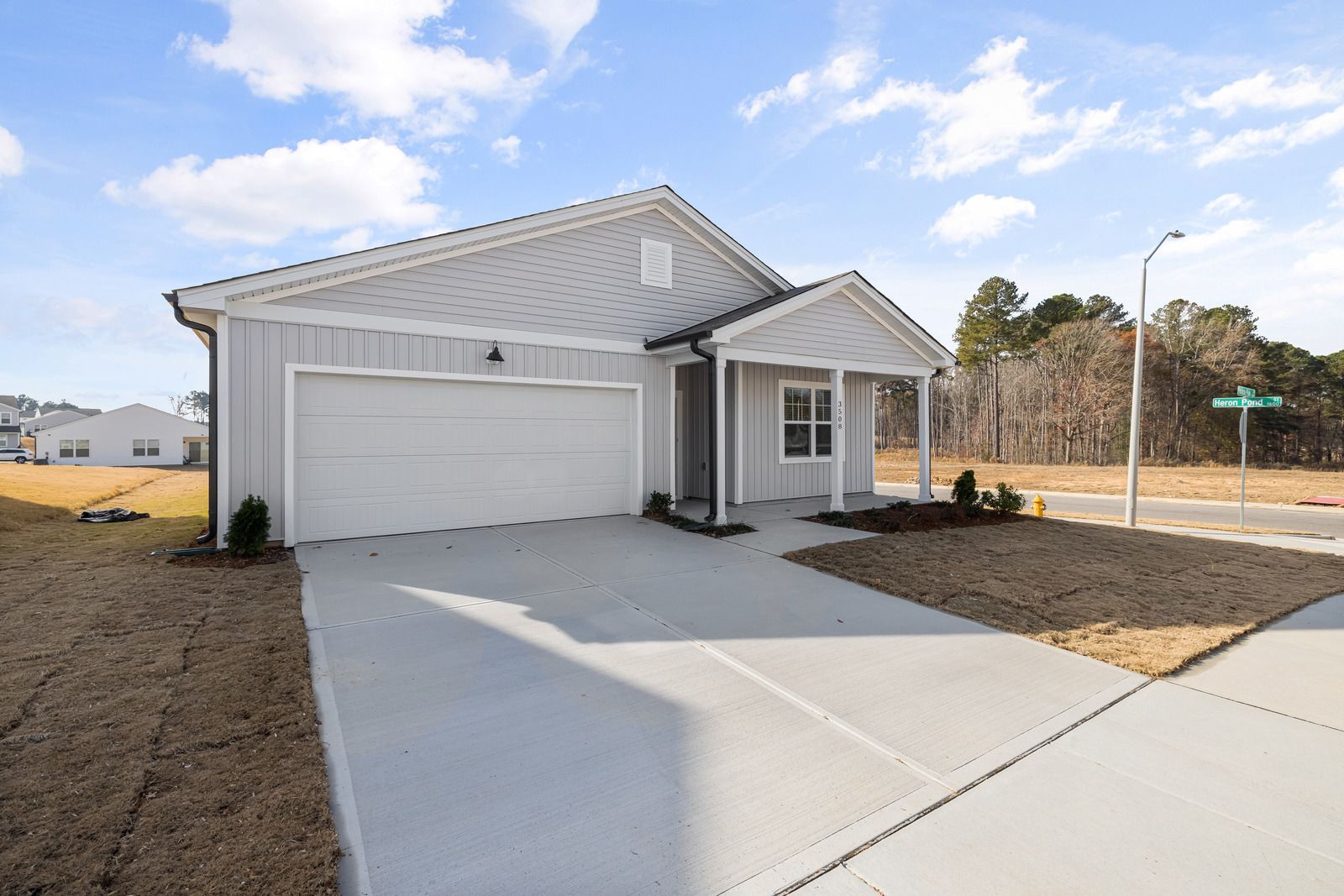
Driveway Installation
A gravel driveway is built from the road to the pad with a compacted stone base and a crowned surface, giving concrete trucks, delivery vehicles, and your family reliable access during and after construction.
WATER FLOW
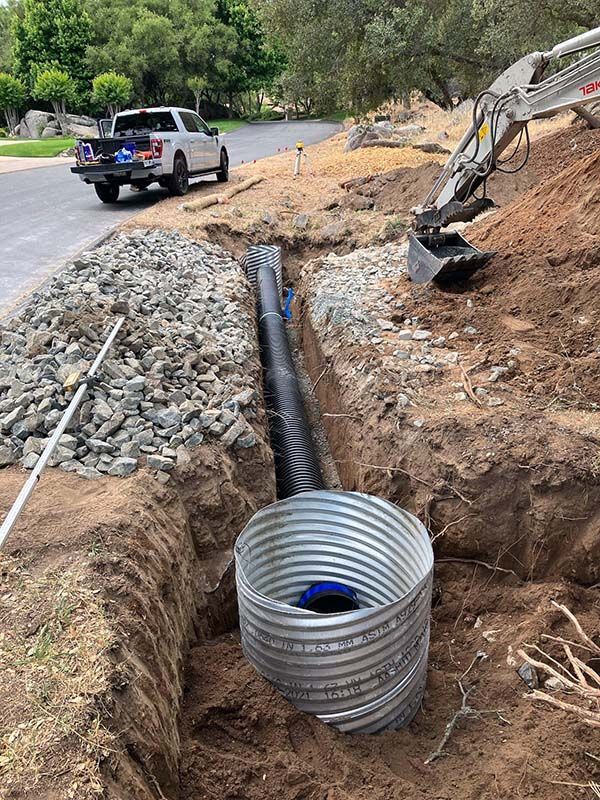
Culvert and Drainage Work
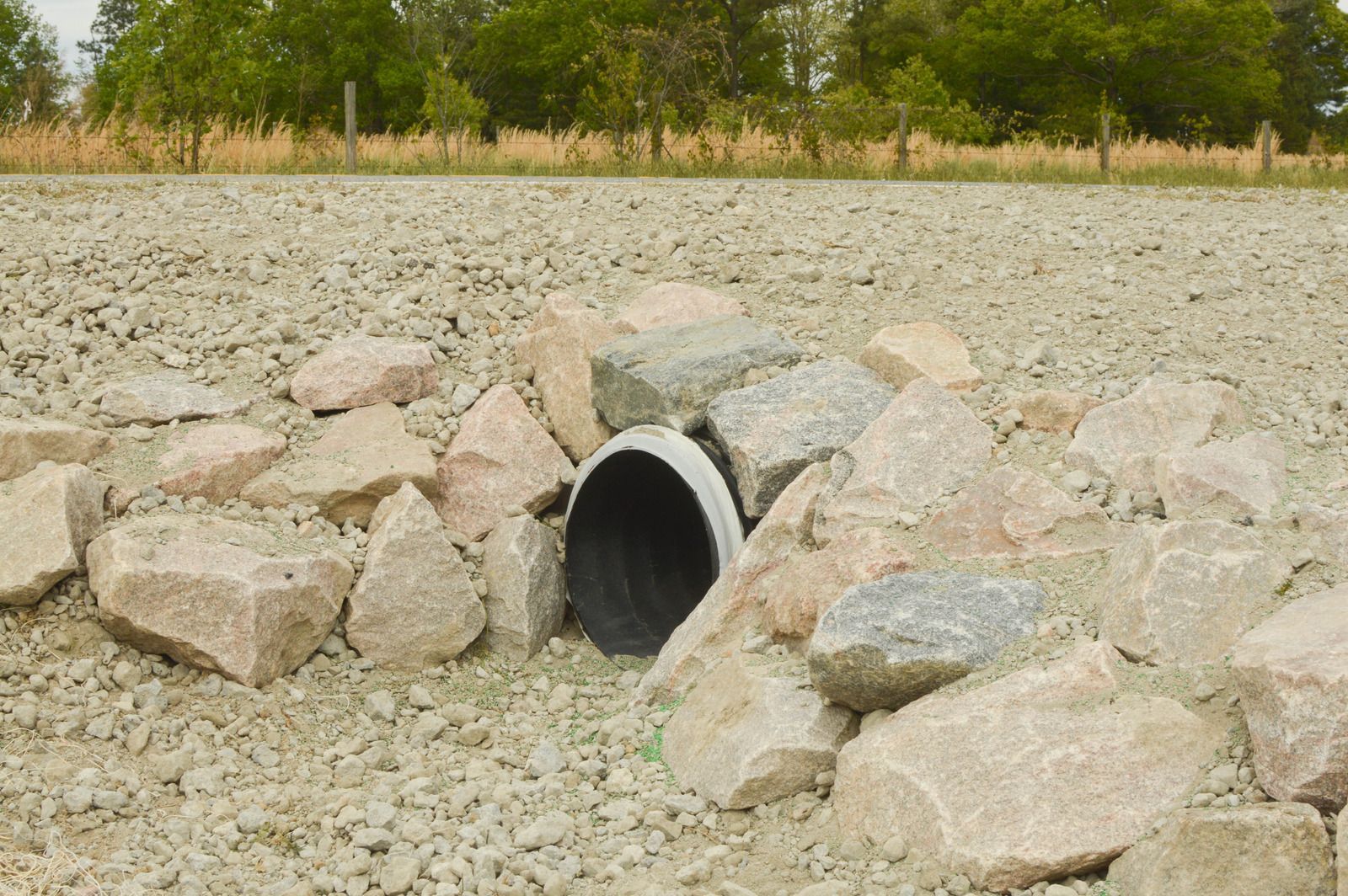
Culverts are set where the driveway crosses ditches or drainage paths, and swales are shaped to guide runoff around the homesite. Good drainage protects the pad, the drive, and neighboring land.
UTILITIES
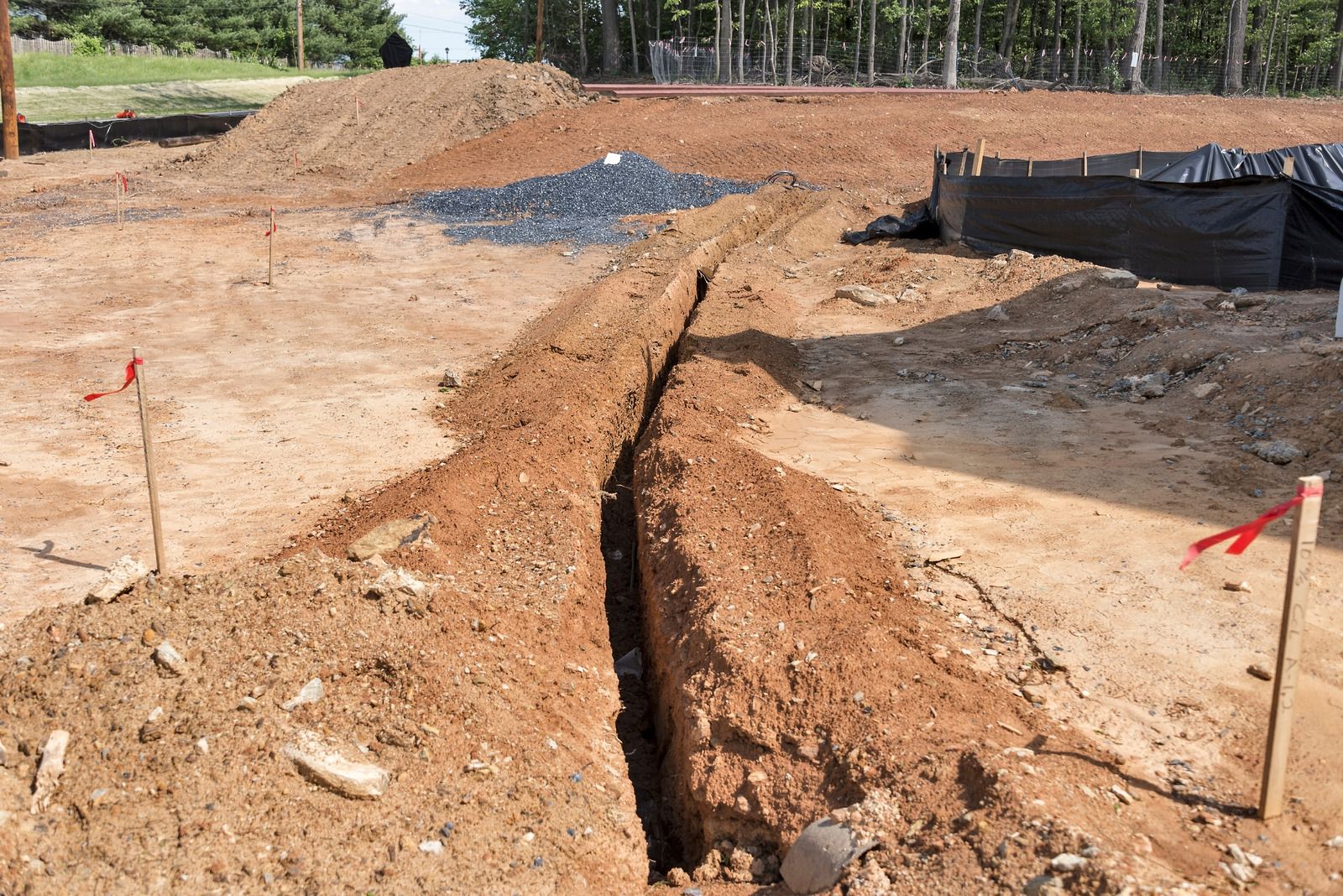
Utility Trenching
Trenches are dug for water lines, electrical service, and other underground utilities running between the road, well, and house. Backfill is compacted in layers afterward to prevent sinking or channeling along the line.
THE WORD ON OUR WORK
WHAT OUR CLIENTS SAY.
Families building on rural land often tell us the site work was the easiest part of their project. They mention a clear plan, a pad that was ready when the builder arrived, and a driveway that held up to every concrete truck. That kind of feedback keeps us careful.
FAQs
FREQUENTLY ASKED QUESTIONS.
Developing raw land for a new home raises plenty of questions about order, timing, and permits. These answers cover the ones future homeowners ask us most often while planning their build.
What are the steps to prepare raw land for building a house?
Most projects follow a similar order: survey the property, complete soil evaluations for septic, clear the homesite, install the driveway, grade the house pad, and trench for utilities. Your builder then takes over from there for the foundation and construction.
How do I know if my land is suitable for a septic system?
The county health department performs a soil evaluation to determine whether the ground can safely treat wastewater. Soil depth, texture, drainage, and slope all factor in, and the approved area must be protected from compaction during all clearing and grading.
How much land should be cleared for a new house?
Most homesites clear enough room for the house, a yard, the driveway, and equipment access during construction. Northwest Land & Timber helps Pilot Mountain, NC, owners set clearing limits that balance working space with keeping mature trees for shade and privacy.
Should I clear my lot before the soil evaluation?
Only lightly. Evaluators may need some brush cut back to reach test sites, but heavy clearing should wait until the evaluation confirms where the house, septic system, and well can go, because equipment can compact the very soil being tested.
What can slow down homesite preparation?
Wet weather, steep terrain, heavy stump removal, and culvert crossings all add time, as do delays in surveys or county soil evaluations. Planning timber harvesting, driveway access, and grading together keeps most residential sites moving along within a few weeks.
Can I live on my land while it is being developed?
Local zoning rules decide whether a camper or temporary dwelling is allowed during construction. Northwest Land & Timber works around occupied Pilot Mountain, NC, properties by keeping safe access open and scheduling heavy work to limit disruption for your whole household.
What is a perc test and do I need one?
A perc test is an older term for measuring how soil absorbs water. North Carolina counties rely on a full soil evaluation by the health department instead, and it is required before any septic system can legally be permitted there.
Who should handle site work for a new home build?
Ideally, one contractor who can handle clearing, grading, driveways, and drainage together, and who asks early where your septic system and well will go. Clear communication and a written scope help keep the whole project on budget and on schedule.
HOW WE WORK
FROM RAW LAND TO A BUILDER-READY SITE, HERE IS HOW.
STEP 01
Review Your Plans and Permits
We look at your survey, house plans, and septic or well approvals, then walk the land with you to understand where everything will go and which areas must stay untouched throughout the project.
STEP 02
Evaluate Timber and Access
Marketable trees are identified and the driveway route is planned from the road to the pad. Knowing both early helps us sequence the work and apply timber value toward the overall preparation cost.
STEP 03
Harvest and Clear the Homesite
Sale-quality timber is harvested first, and then brush, remaining trees, and stumps are cleared within the agreed limits. Protected areas stay clearly marked and free of equipment throughout the entire clearing phase.
STEP 04
Build the Driveway Base
The drive is cleared, graded, and given a compacted stone base early, with culverts set at any crossings. Solid access at this stage keeps trucks and equipment moving without tearing up the site.
STEP 05
Grade the Pad and Trench Utilities
The house pad is shaped and compacted to the planned elevation, and trenches are dug for underground utilities. Drainage swales are then formed so runoff moves safely away from the building area and the drive.
STEP 06
Hand Off to Your Builder
Bare soil is stabilized, debris is handled as agreed, and we walk the finished site with you. Your builder then receives a prepared homesite with dependable access, ready for the foundation work to begin.