
Land Clearing
LAND CLEARING IN PILOT MOUNTAIN, NC
North Carolina requires an approved erosion and sedimentation control plan, filed at least 30 days ahead, before any land-disturbing activity covering more than 1 acre, so the size of a clearing job can shape its entire timeline from the very first day. Northwest Land & Timber handles land clearing in Pilot Mountain, NC, removing trees, brush, shrubs, stumps, and storm debris from wooded and overgrown ground. We work with excavators, skid steers, and dozers across Surry County and the NC Triad, pull marketable timber before clearing starts so it can be sold, and size each job for properties of 15 acres or less.
CLEARED LAND SHOULD BE READY FOR WHAT COMES NEXT.
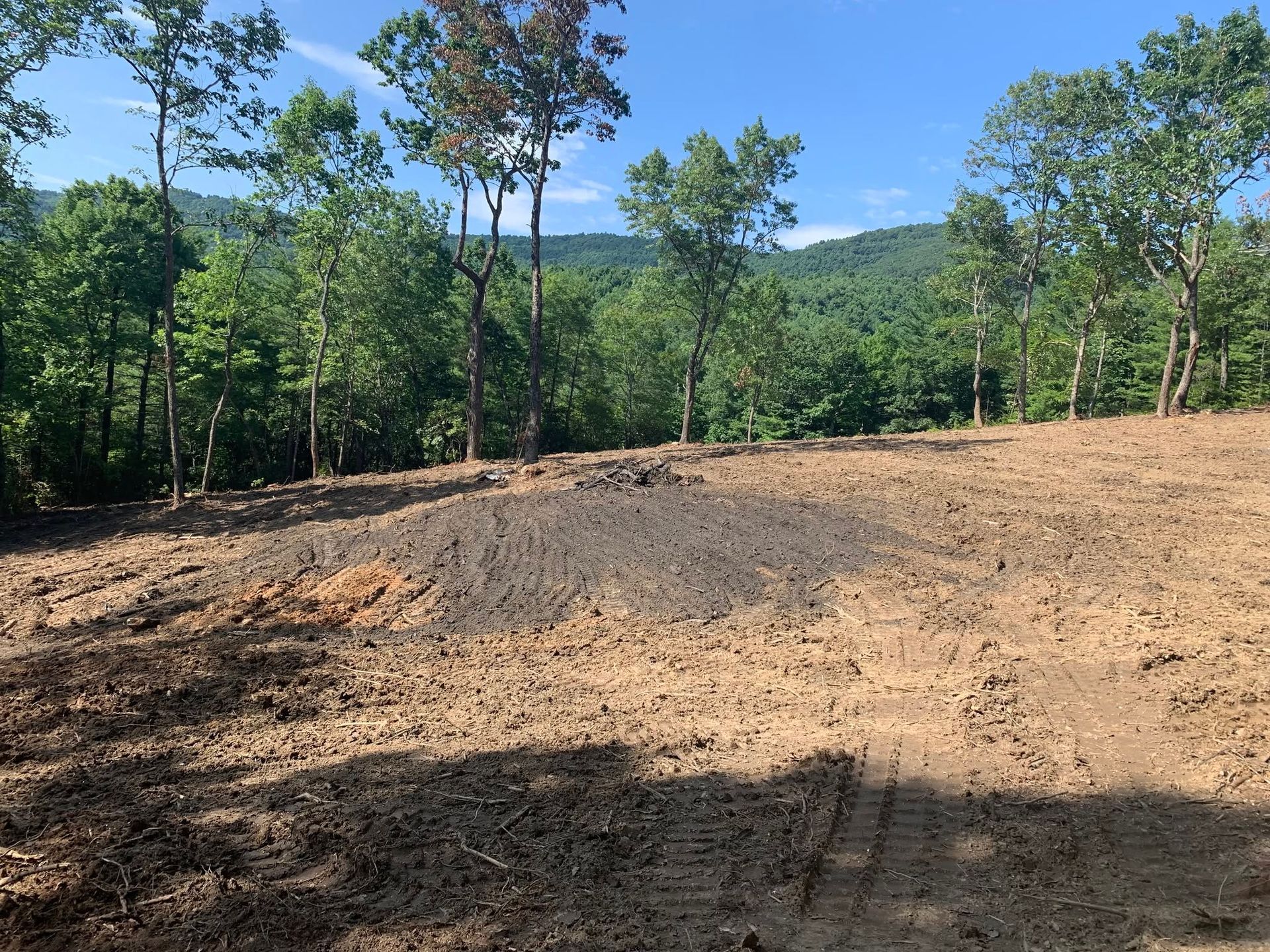
Knocking trees down is the easy part. Good clearing removes stumps and root mass where a foundation, driveway, or pasture will go, keeps topsoil where it belongs, and leaves the ground in a condition a grader or builder can work with right away. Rushed clearing does the opposite, burying debris that settles later and stripping slopes that wash out in the next storm.
We clear with the finished use in mind, so the site is not simply open but actually ready.
✓ Selective or complete clearing
✓ Stumps and roots removed where needed
✓ Timber value applied to project costs
✓ Soil protected during and after work
LAND CLEARING
GIVE YOUR PROPERTY A CLEAN, USABLE START.
Overgrown acreage hides a lot: old fence lines, rock outcrops, wet pockets, and trees too valuable to push into a pile. We walk the site before work begins to find those details and decide what stays, what gets harvested, and what gets cleared. That planning keeps usable timber out of the brush pile and protects the trees you want as shade, screening, or a buffer along the property line.
CLEARING MATCHED TO FOOTHILLS GROUND.
Around Pilot Mountain, well-drained loamy slopes sit beside clay-heavy fields and wet creek bottoms, and each responds differently to heavy equipment. We choose the machine, the season, and the clearing sequence for the soil in front of us, limiting ruts and compaction so the land drains and grows the way it should after we are done.
EVERY TREE WE REMOVE HAS A PLAN BEHIND IT.
Our roots are in timber harvesting, and that background changes how we clear. We see sawlogs where others see debris, and we separate them before the brush work starts. Serving landowners here for 5+ years, we have learned that the smartest clearing jobs pay for part of themselves. Could the trees on your lot help cover the cost of opening it up?
WHY CHOOSE US FOR LAND CLEARING.
Lower Net Project Cost
When marketable timber is harvested and sold before clearing begins, the proceeds can offset part of your clearing and disposal expenses, reducing what you spend to get the ground ready.
Only What You Want Gone
Selective clearing leaves shade trees, privacy screens, and property line buffers in place. You decide what stays, and the crew works around those trees instead of treating the whole lot as one clearing zone.
Ground Ready to Build On
Stumps and root balls come out where structures, drives, and pads will sit. Buried organic material settles over time, and removing it now prevents cracked slabs and sunken driveways years down the road.
Less Erosion After the Work
Clearing is sequenced to limit bare ground during wet weather, and exposed soil can be stabilized with mulch or seed. That protects your land, nearby streams, and neighboring properties from runoff damage.
Cleared Material Put to Use
Brush and limbs can be ground into mulch rather than hauled off, turning a disposal problem into a useful ground cover for trails, slopes, and landscaping around your newly opened property.
A Smooth Handoff to Grading
The same team that clears the land can rough grade it, build a pad, or install a driveway. Your project keeps moving without waiting for a separate contractor to fit you into a crowded schedule.
our services
OUR LAND CLEARING WORK
Most clearing jobs combine several of these tasks. We match the mix to your property, the equipment it can handle, and the final use you have planned for the open ground.
TREE WORK
Tree Removal
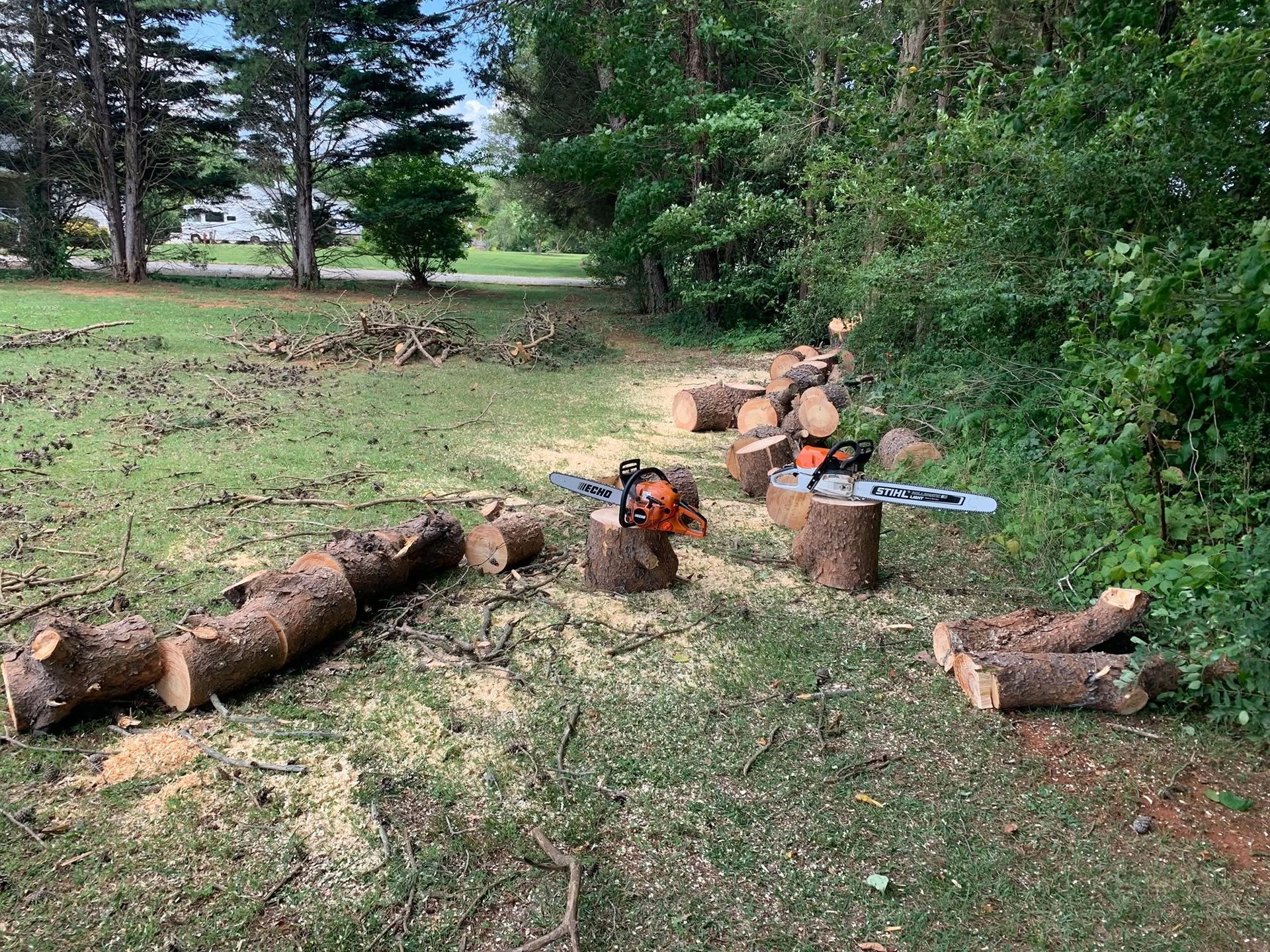
Standing trees are felled and processed with attention to direction, nearby structures, and power lines. Merchantable logs are set aside for sale, while tops and limbs move on to mulching or disposal as agreed.
UNDERBRUSH
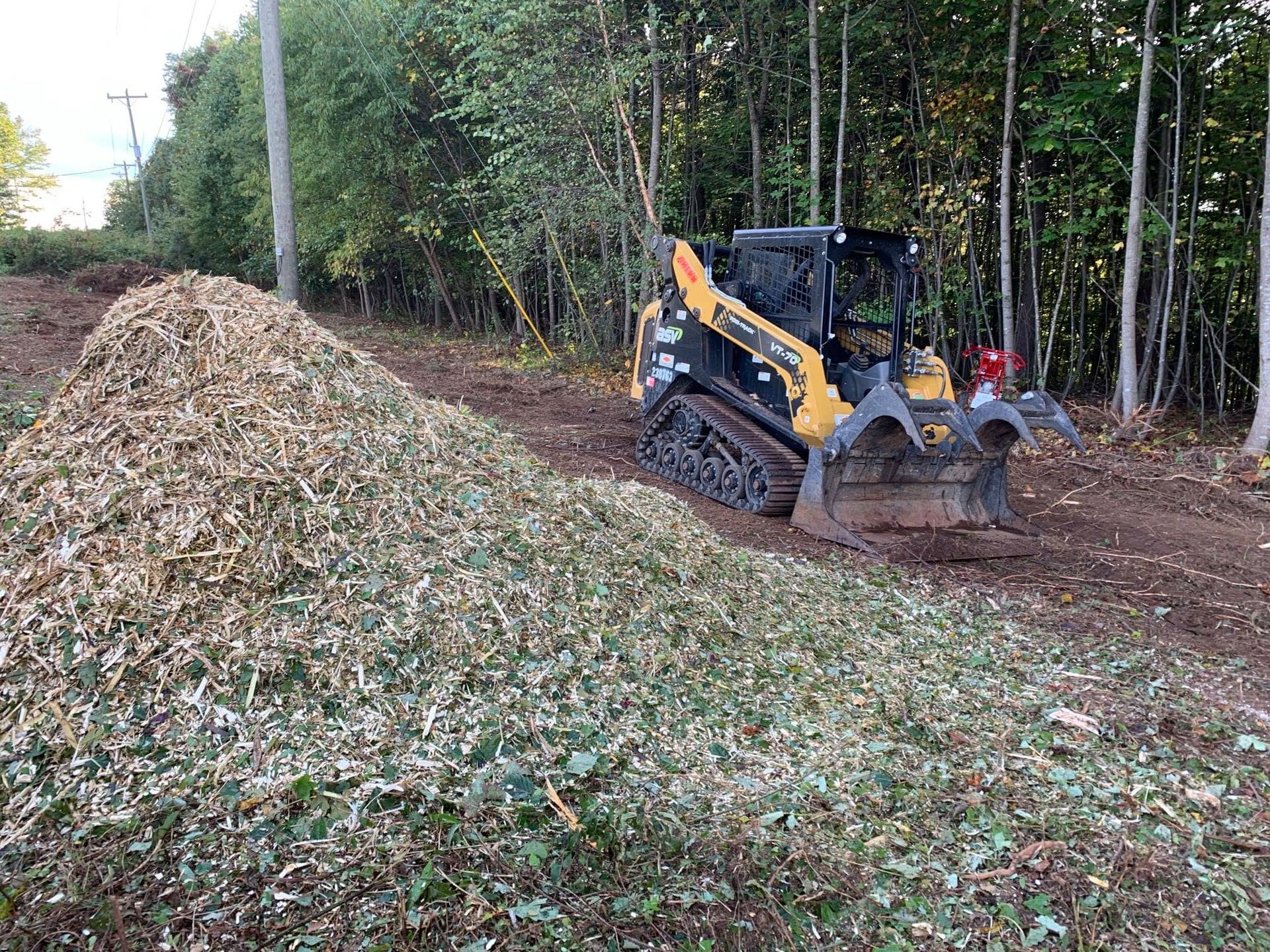
Brush and Shrub Clearing
Thick undergrowth, briars, saplings, and invasive shrubs are cut and removed to open up overgrown ground. This restores sight lines, improves access, and exposes the true shape and condition of the land beneath.
ROOT MASS
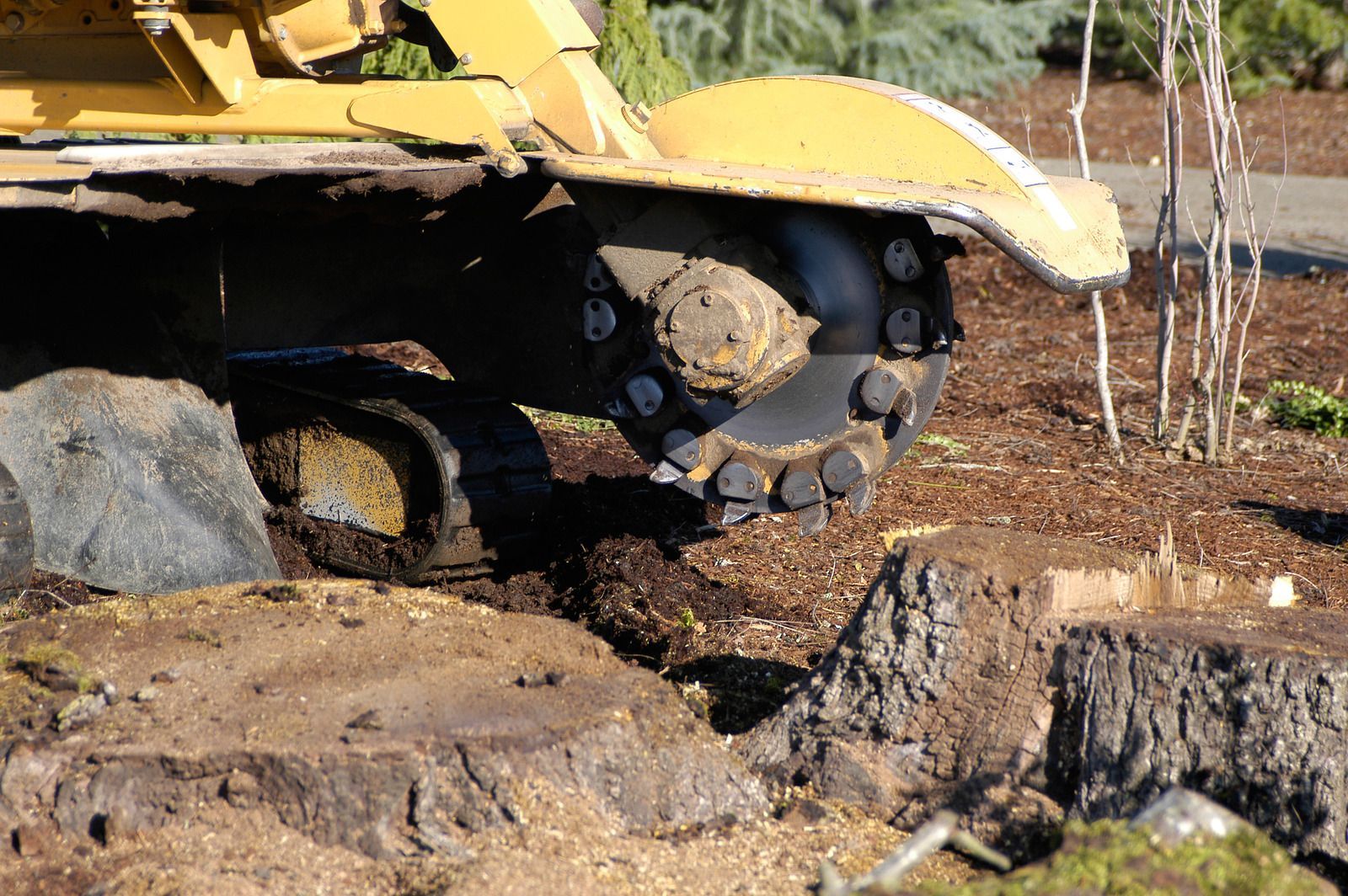
Stump Removal
Stumps are pulled with their root systems where construction, driveways, or cultivated fields will follow. Holes are backfilled and compacted so the surface stays level instead of sinking as buried wood slowly decays.
TARGETED WORK
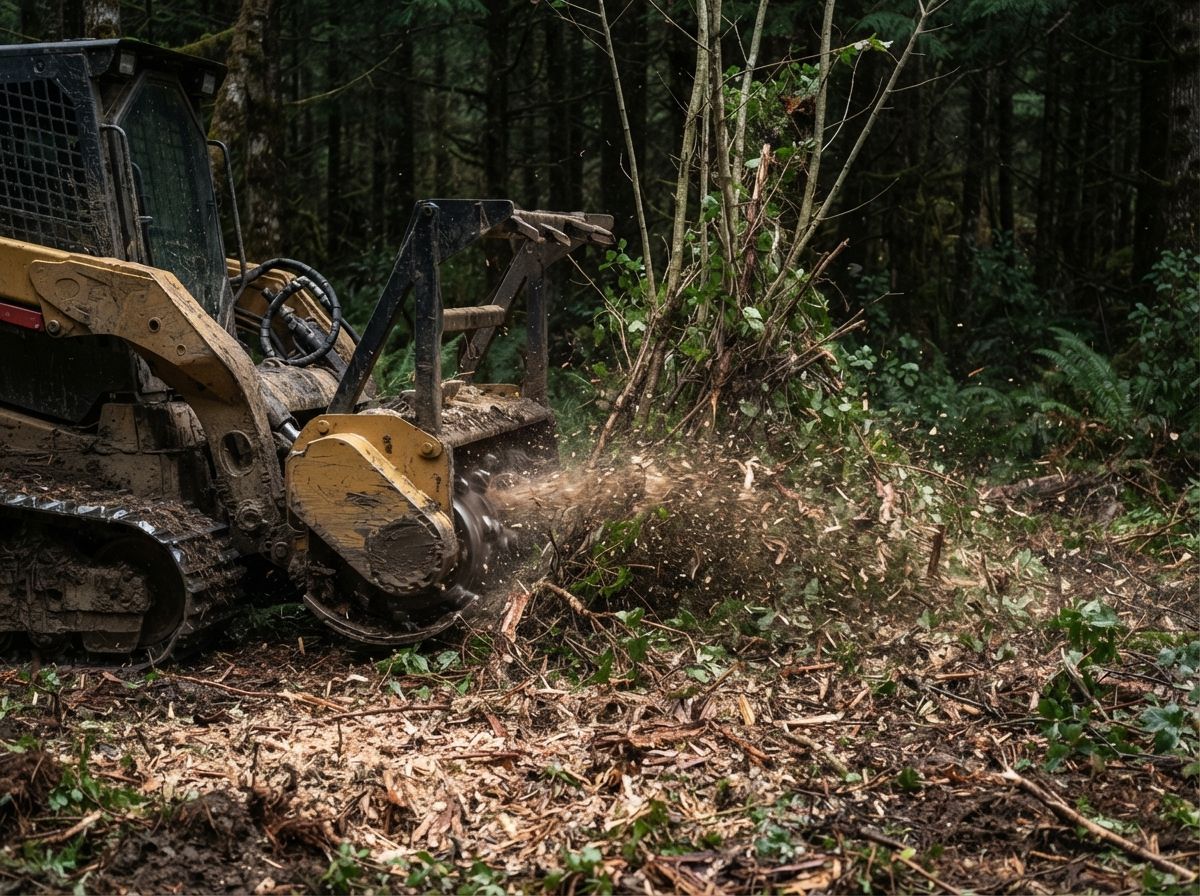
Selective Clearing
Specific trees and vegetation are removed while chosen hardwoods, screening, and buffers remain standing. It suits wooded homesites, view corridors, and properties where the owner wants a natural setting kept intact.
COMPLETE SITES
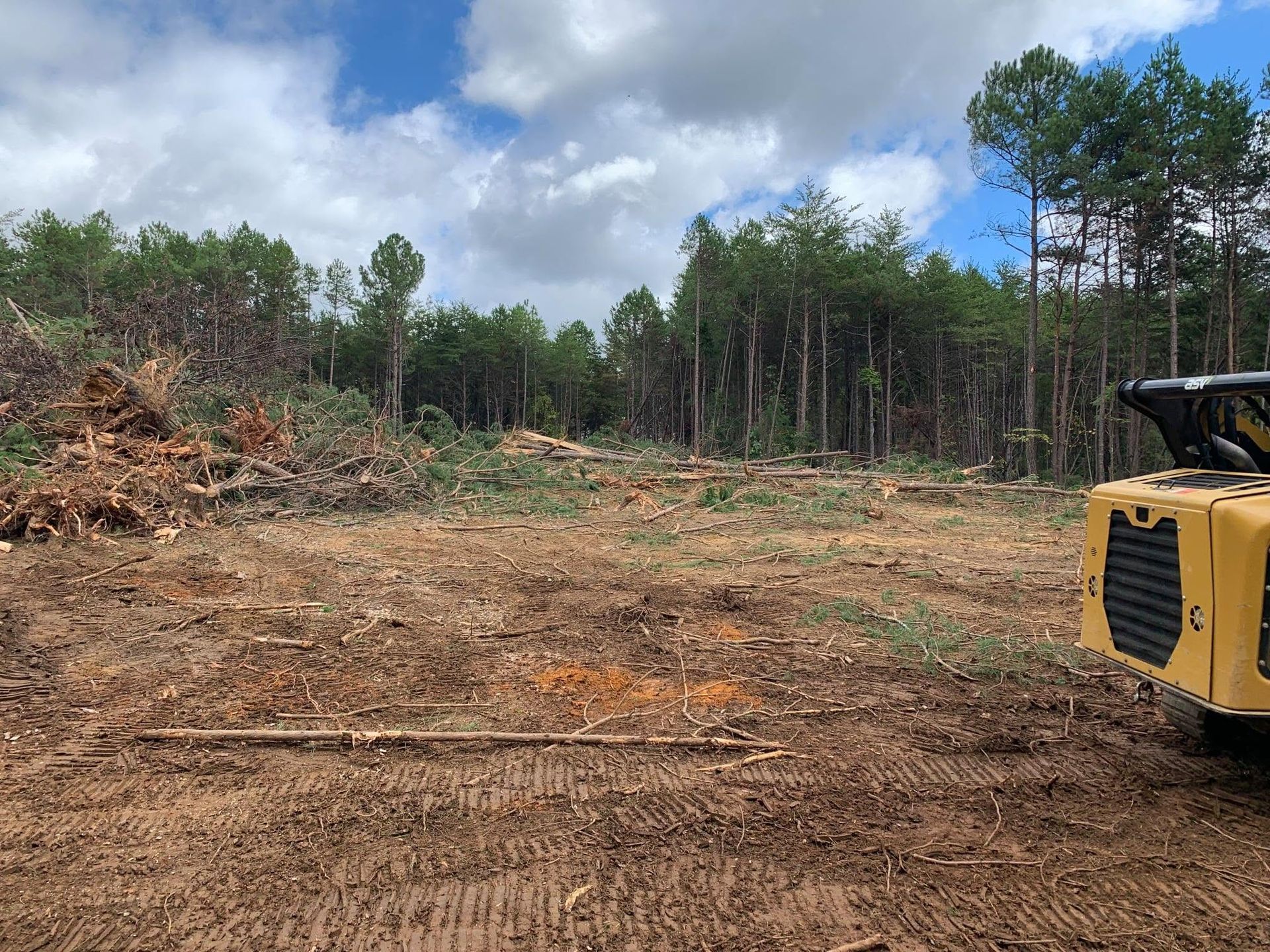
Full Lot Clearing
Every tree, stump, and shrub within the agreed boundary is removed to open the ground for construction, pasture, or planting. The finished surface is left ready for grading, seeding, or the next phase of work.
STORM CLEANUP
Storm Damage Removal
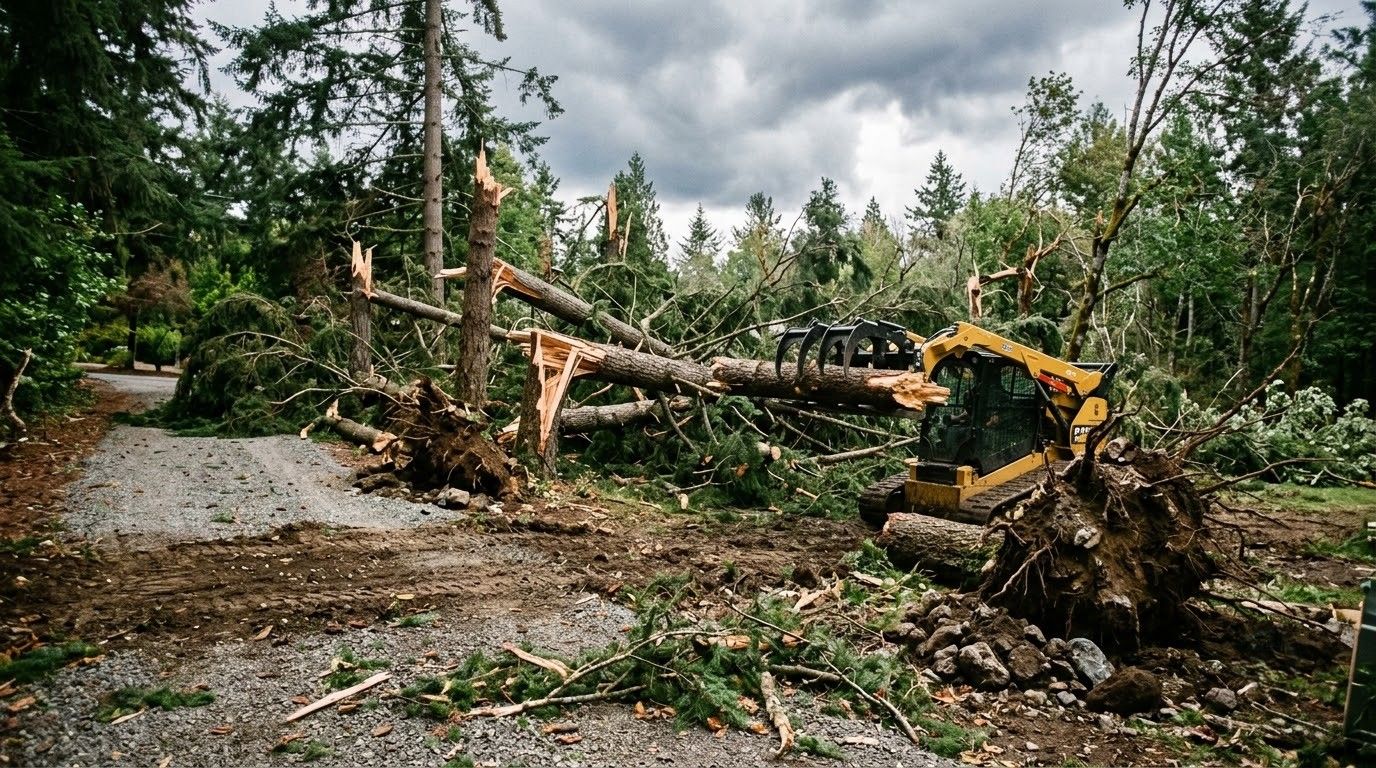
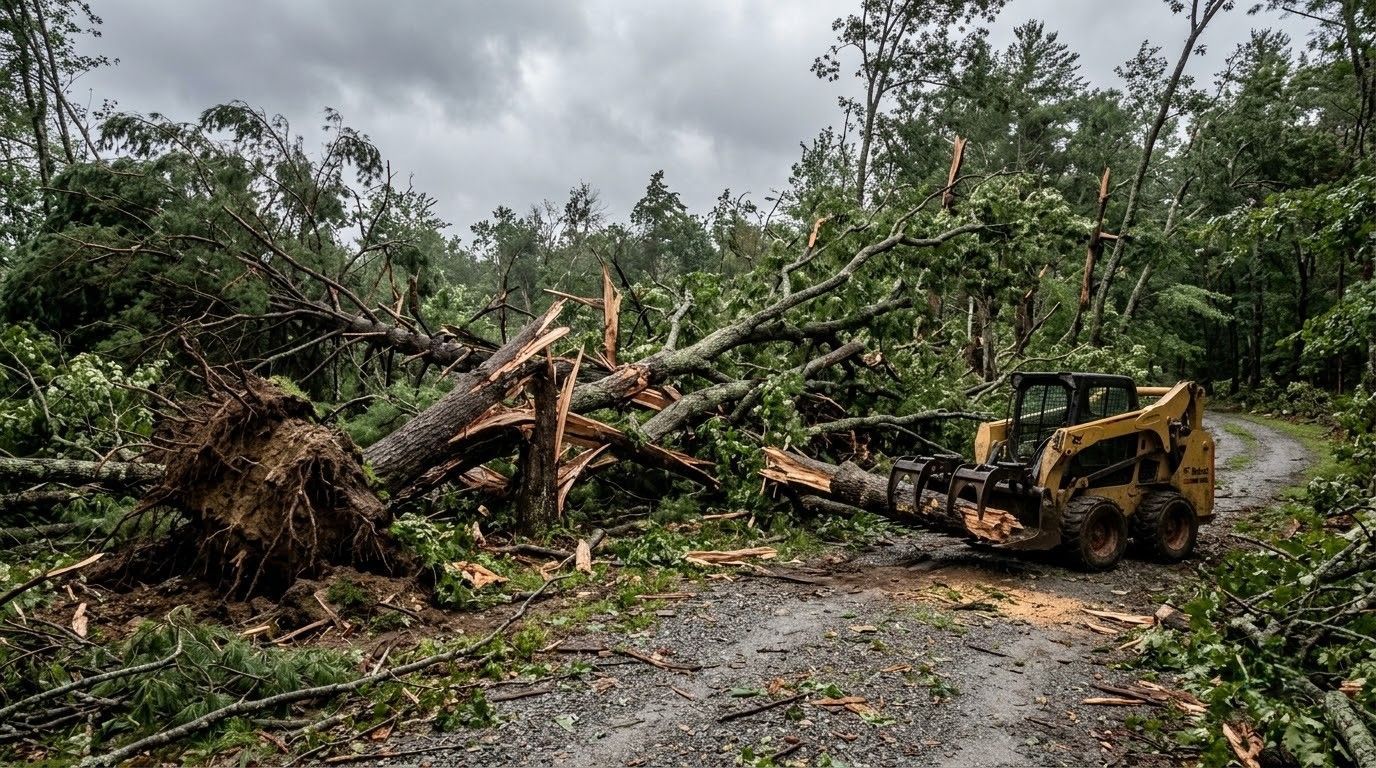
Downed trees from straight-line winds, tornadoes, and ice storms create tangled, hazardous work. Our equipment handles events from a handful of fallen trees to 50+ downed stems, clearing access and salvaging any usable timber.
THE WORD ON OUR WORK
WHAT OUR CLIENTS SAY.
Property owners tend to notice how much planning happens before the machines start. They mention clear explanations, careful work around the trees they wanted kept, and land that looked ready for the next step once clearing was finished. That is the result we aim for on every job.
FAQs
FREQUENTLY ASKED QUESTIONS.
Land clearing raises practical questions about methods, timing, and what happens to the ground afterward. Here are straightforward answers to the ones property owners ask us most often before work begins.
What is the difference between land clearing and forestry mulching?
Land clearing removes trees, stumps, and brush from the site, often with root systems pulled for construction. Forestry mulching grinds vegetation in place and leaves stumps and roots underground, which suits trails and brush control far better than building sites.
How long does it take to clear an acre of land?
A lightly wooded acre may be cleared in a single day, while dense hardwoods, steep slopes, or heavy stump removal can stretch the work to several days. Access, weather, and how the debris is handled also affect the final schedule.
Should stumps be removed or ground down after clearing?
Full removal is usually best where you plan to build, pave, or install a driveway, because decaying roots cause settling. Grinding works for lawns and landscaped areas where a slight depression over time will not damage any structure or surface.
Can I clear land myself with a rented machine?
Small brush jobs are manageable, but tree felling and stump pulling carry real injury and property risks. Rented equipment also struggles with larger trees, and mistakes in slope or drainage can create erosion that is surprisingly costly to correct afterward.
What happens to topsoil during land clearing?
Careful clearing keeps topsoil in place or stockpiles it nearby for later use. Northwest Land & Timber limits stripping on Pilot Mountain, NC, properties so valuable soil can be spread back over lawns, pastures, and landscaped areas once grading is complete.
Does clearing land increase its value?
Cleared, accessible land often appeals to more buyers because they can easily picture a homesite or pasture immediately. The gain depends on location, zoning, and the intended use, and some buyers still prefer mature, established woods for privacy or hunting.
What should I do before a land-clearing crew arrives?
Confirm your property lines, mark trees you want saved, and note wells, septic areas, and buried utilities. State law also requires a call to NC811 at least 3 full working days before any digging begins, so buried lines get marked.
How do I pick the right land-clearing contractor?
Ask whether stumps are removed, how debris is handled, and whether timber value is considered. Northwest Land & Timber answers all three during a free walk-through in Pilot Mountain, NC, and brings full licensing and insurance to every single clearing job.
HOW WE WORK
FROM OVERGROWN ACREAGE TO OPEN GROUND, HERE IS HOW.
STEP 01
Tour the Property With You
We walk the site together to discuss your plans, identify trees worth saving, and note slopes, wet areas, and access points that will shape how the clearing is carried out on your land.
STEP 02
Check for Marketable Timber
Trees with sale value are identified before any clearing plan is finalized. When the volume justifies a harvest, those logs are sold first, and the proceeds can help reduce your overall clearing costs.
STEP 03
Define Scope and Boundaries
Clearing limits, saved trees, stump removal areas, and debris handling are agreed upon and marked. You know exactly what will be cleared and what the finished site should look like before any work starts.
STEP 04
Clear in the Right Order
Timber comes out first, followed by brush, remaining trees, and stumps. Working in sequence keeps the site safe, limits equipment passes over the soil, and prevents usable logs from ending up in debris piles.
STEP 05
Process the Debris
Limbs, brush, and unmarketable wood are mulched, stockpiled, or removed according to the plan. Stump holes are filled and compacted so the surface is safe to walk, drive over, and grade later.
STEP 06
Stabilize and Review
Bare areas are protected against runoff, and we walk the finished site with you. Any remaining concerns are addressed before the equipment leaves, and next steps such as grading or driveway work are discussed.