Grading & Site Preparation
GRADING & SITE PREPARATION IN PILOT MOUNTAIN, NC
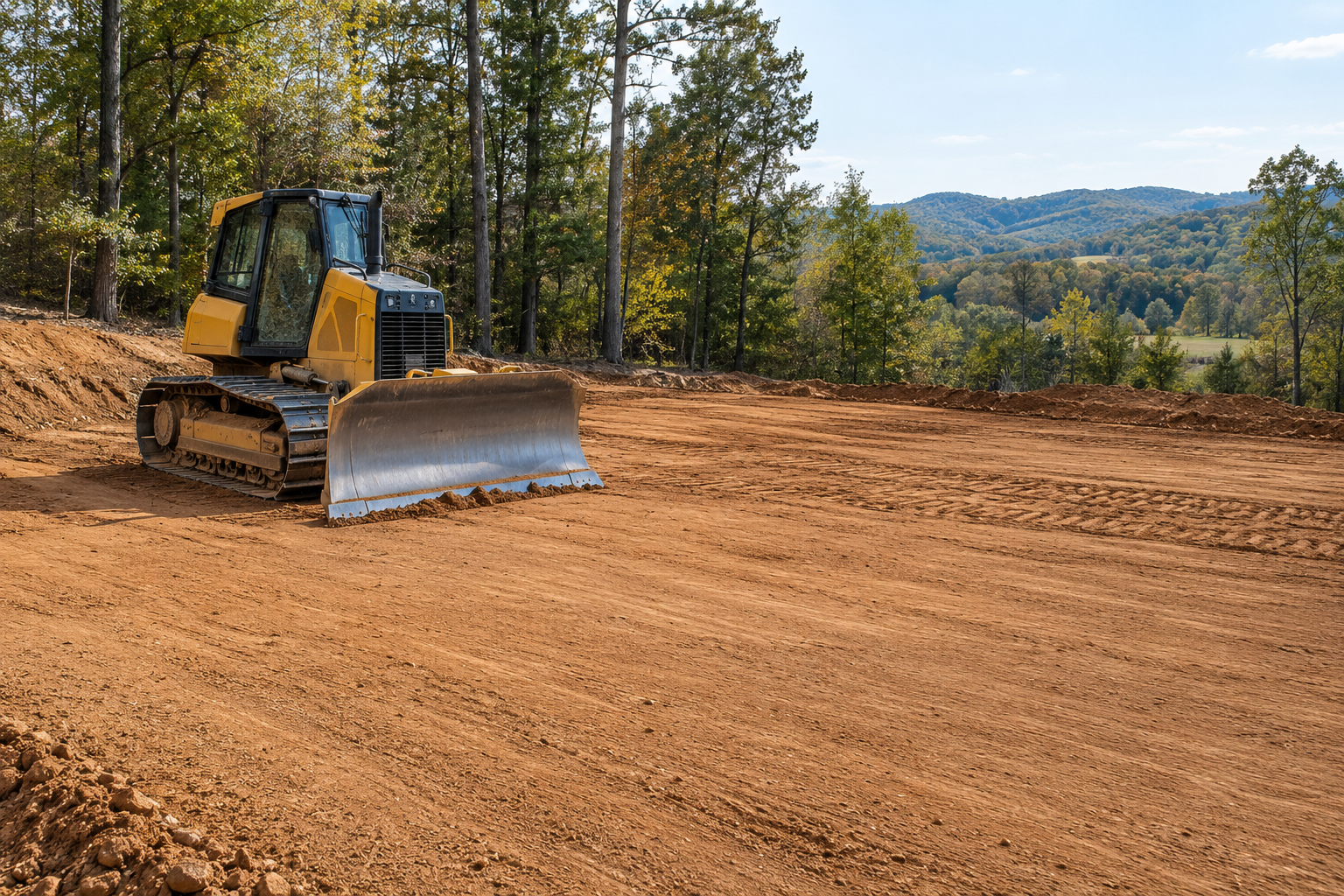
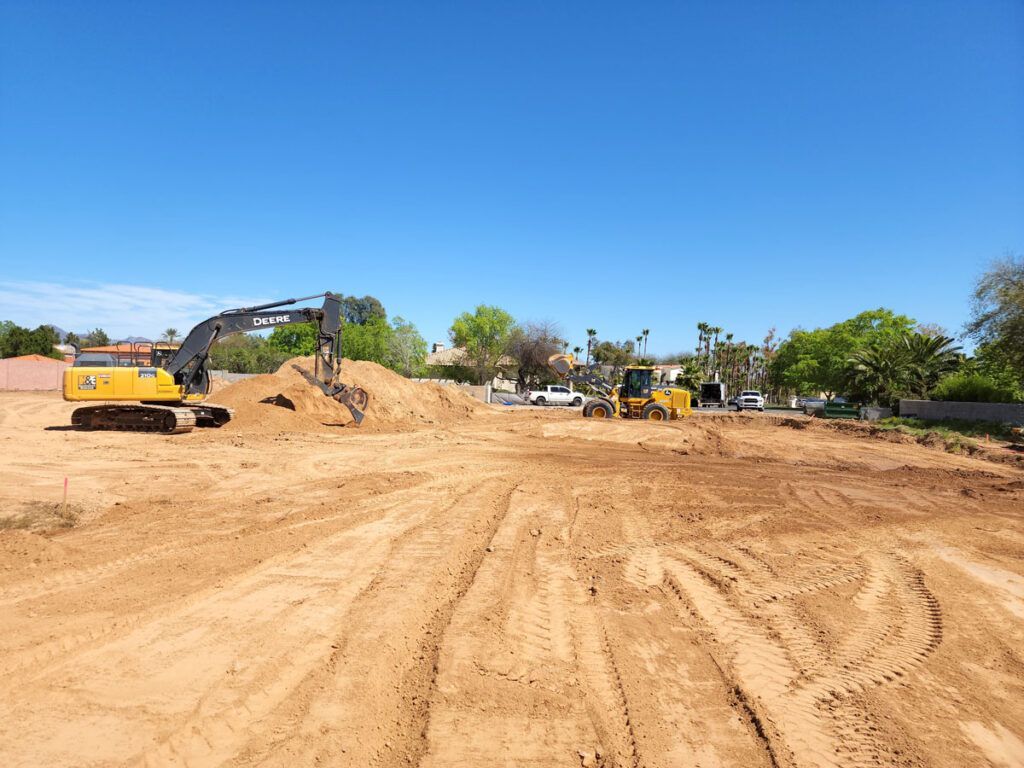
The Pilot Mountain soil series, whose official type location sits right here in Surry County, forms on slopes ranging from 2 to 45 percent in an area averaging about 45 inches of precipitation each year, so grading here has to plan for moving water before anything else. Northwest Land & Timber provides grading and site preparation in Pilot Mountain, NC, including rough grading, building pads, trenching, foundation digging, and drainage solutions that keep water where it belongs. Working across Surry County and the NC Triad with excavators, skid steers, and dozers, we shape cleared land for homes, commercial buildings, agriculture, landscaping, and long-term water management.
A BUILDING IS ONLY AS GOOD AS THE GROUND UNDER IT.
Poor grading shows up slowly. Water collects against a foundation, a crawl space stays damp, a driveway erodes at the same spot after every storm, and a slab develops cracks where fill was never compacted. Most of those problems trace back to the first days of site work, long before framing started.
We take the time to set grades, compact fill, and direct runoff correctly from the beginning.
✓ Pads shaped and compacted for construction
✓ Runoff directed away from structures
✓ Trenching and foundation digging
✓ Ground prepared for farm or landscape use
GRADING & SITE PREPARATION
SHAPE COMES NEXT, ONCE THE TREES ARE GONE.
Once trees and stumps are gone, the land still needs shape. Rough grading removes high spots, fills low ones, and establishes the slopes that decide where water goes. From there, a building pad can be set, trenches opened for utilities, and footings dug. Each step depends on the one before it, and we handle them in order so your builder starts on ground that is level, stable, and ready.
FOOTHILLS SLOPES CALL FOR CAREFUL WATER PLANNING.
Much of the land around Pilot Mountain rolls or climbs, and heavy spring and summer storms move a lot of water across it quickly. We read the natural drainage on each property, then shape swales, ditches, and pad elevations so runoff moves around structures and driveways rather than through them, and away from neighboring property lines.
GRADES THAT HOLD UP ARE A MATTER OF HABIT.
We have prepared sites for owners in this area since 2021, and the lesson repeats on every job: check elevations twice, compact in lifts, and never bury problems for someone else to find. That discipline carries over from our timber work, where protecting soil and water is part of every harvest. Is your cleared land ready to become a site?
WHY CHOOSE US FOR GRADING & SITE PREPARATION.
Dry Foundations
Ground sloped away from the house keeps water out of basements and crawl spaces. Proper grading is one of the least expensive ways to protect a foundation from moisture damage for many years of ownership.
Stable Building Pads
Fill placed and compacted in layers resists settling after construction. Your slab, footings, and walls rest on consistent support instead of soft pockets that shift and crack as they slowly compress over time.
Fewer Construction Delays
A site delivered level, compacted, and trenched lets builders start on schedule. Framing crews and concrete trucks are not stuck waiting while someone reworks a pad that was not ready when promised.
Controlled Runoff
Swales and ditches carry stormwater where it belongs. Your yard, driveway, and nearby properties avoid the washouts, standing water, and erosion that poorly shaped land sends downhill after every heavy rain.
Usable Acreage
Leveling rough ground opens space for gardens, pastures, lawns, and outbuildings. Land that was once too uneven to mow or plant becomes a productive part of the property you actually use.
One Crew, Clearing to Pad
Clearing, grading, trenching, and driveway access can all come from the same team. Scheduling stays simple, and nobody blames a previous contractor for the conditions that were left behind on your site.
our services
OUR GRADING AND SITE PREPARATION WORK
Site preparation covers several distinct tasks. Some properties need all of them, while others only need a pad and a trench, and we tailor the work to what your plans require.
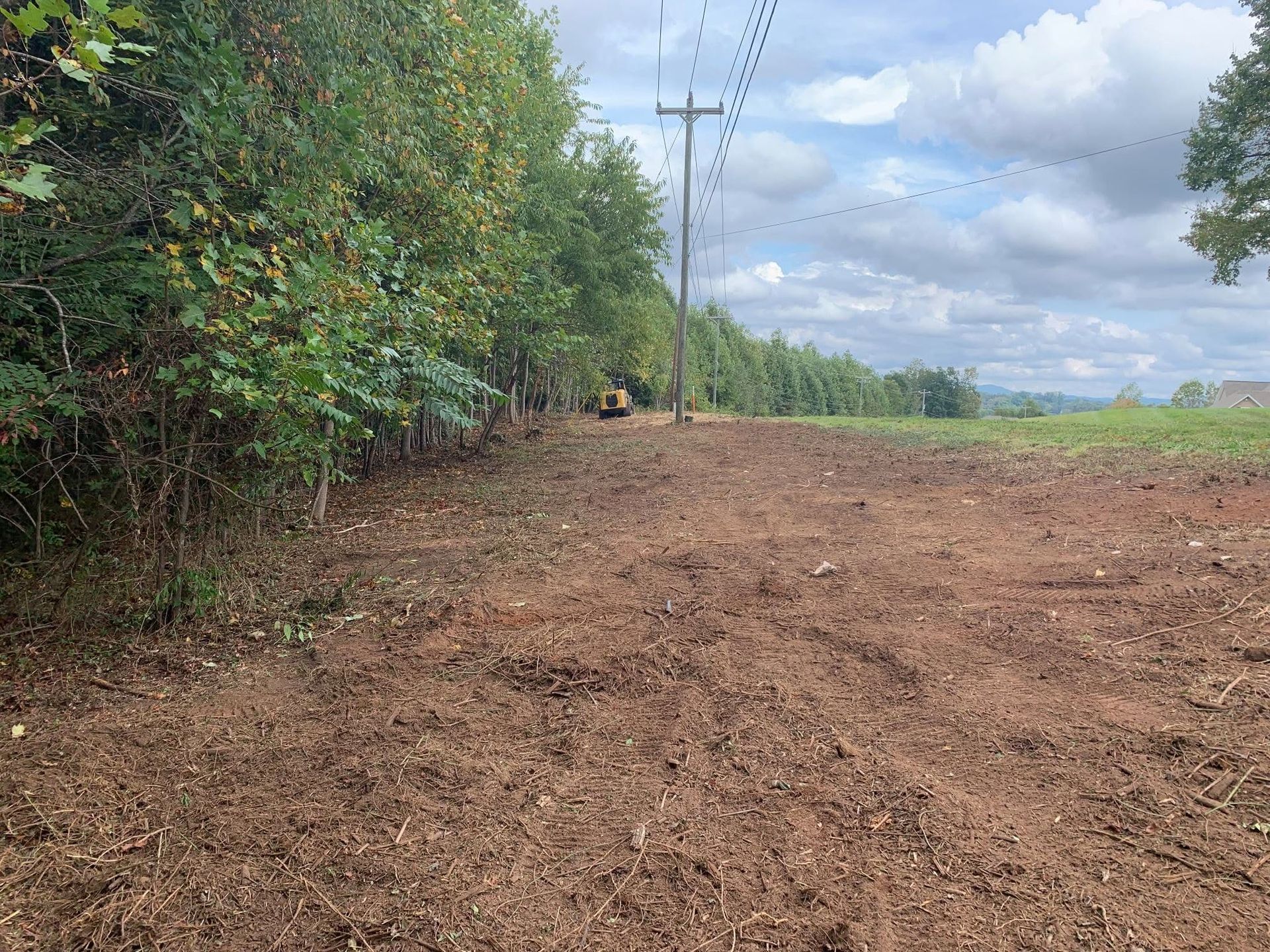
LAND SHAPING
Rough Grading
Soil is cut from high areas and moved to low ones to set the general contour of the site. Rough grading establishes drainage patterns and prepares the land for pads, drives, lawns, or agricultural use.
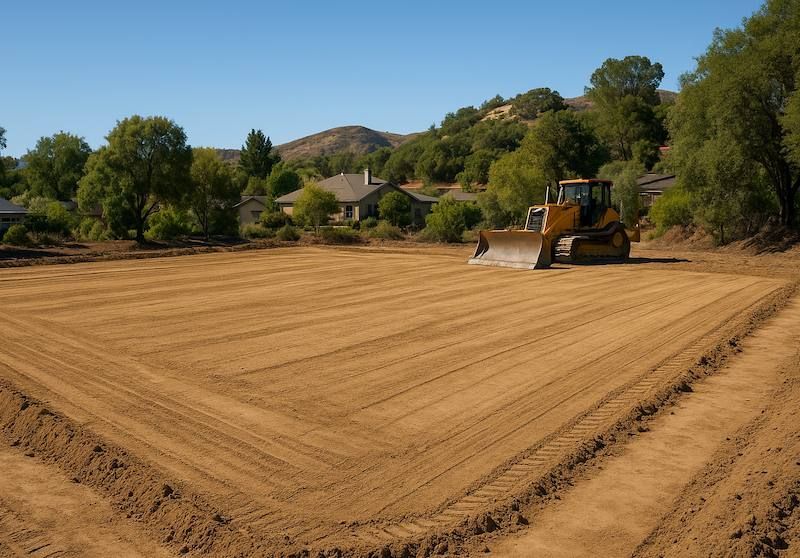
HOME SITES
Building Pad Preparation
A level, compacted platform is built where the structure will stand. Fill is placed in layers and compacted, and the pad is set high enough that surrounding ground can slope away from the foundation.
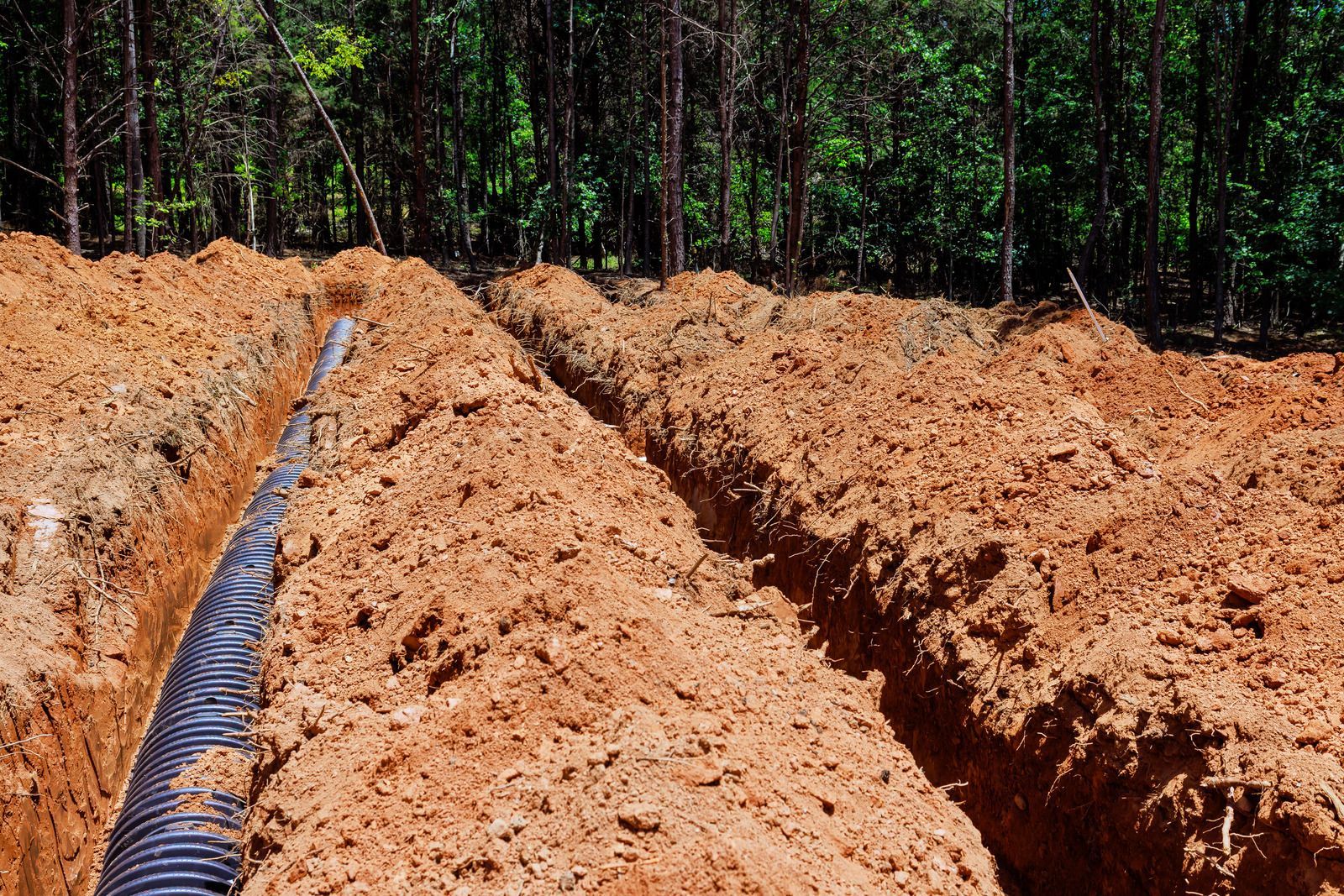
UTILITY LINES
Trenching
Trenches are dug for water lines, electrical conduit, and drainage pipe at the depth each utility requires. Backfill is placed and compacted afterward so the ground above does not sink or form channels.
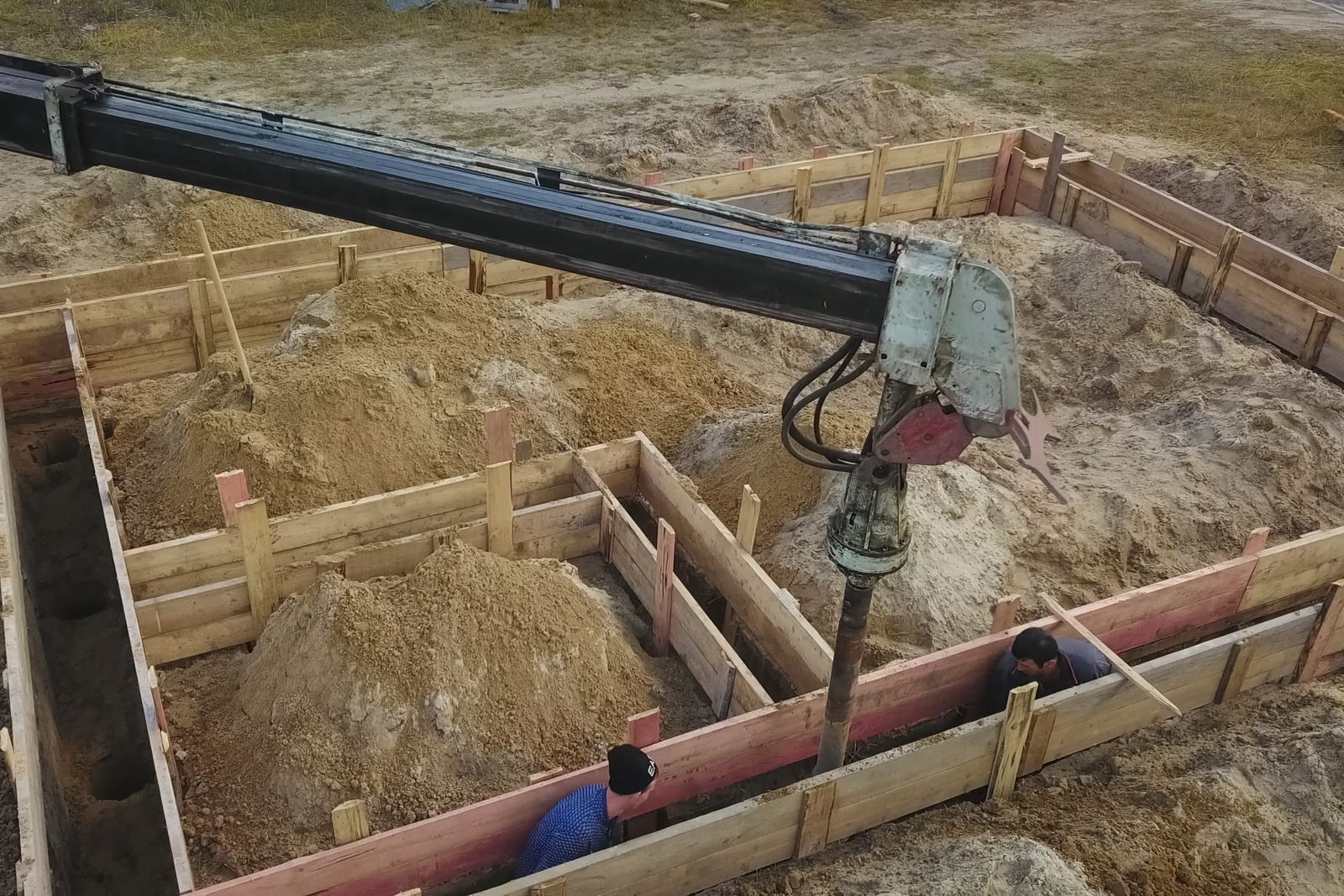
FOOTINGS
Foundation Digging
Excavation for footings, crawl spaces, and basements is dug to the dimensions on your plans. Clean, accurate digging gives the foundation contractor a firm base and saves time on forming and pouring.
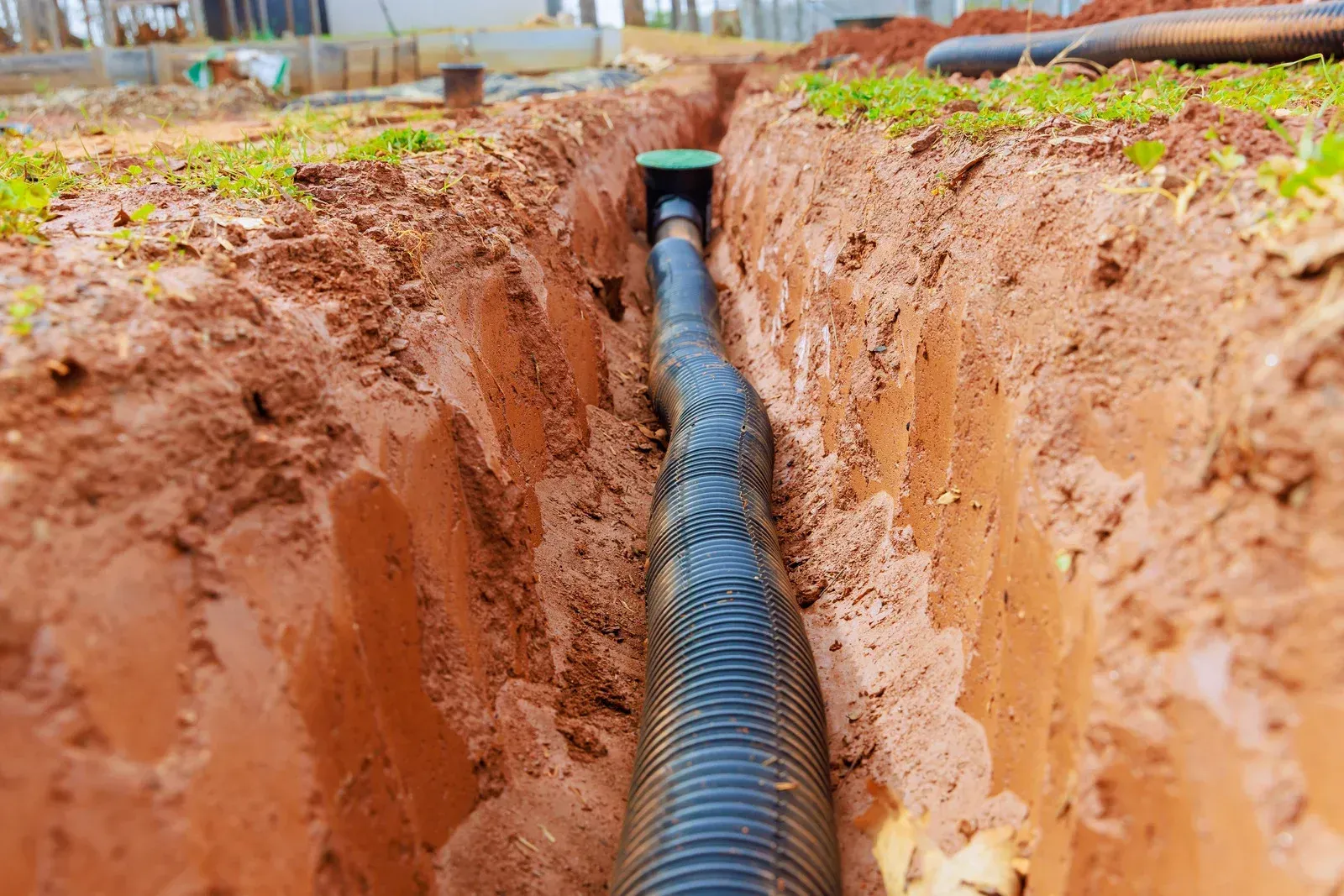
WATER CONTROL
Drainage Solutions
Swales, ditches, and drainage systems are installed to move water off the site and prevent flooding. Building codes commonly call for 6 inches of fall within the first 10 feet around a foundation.
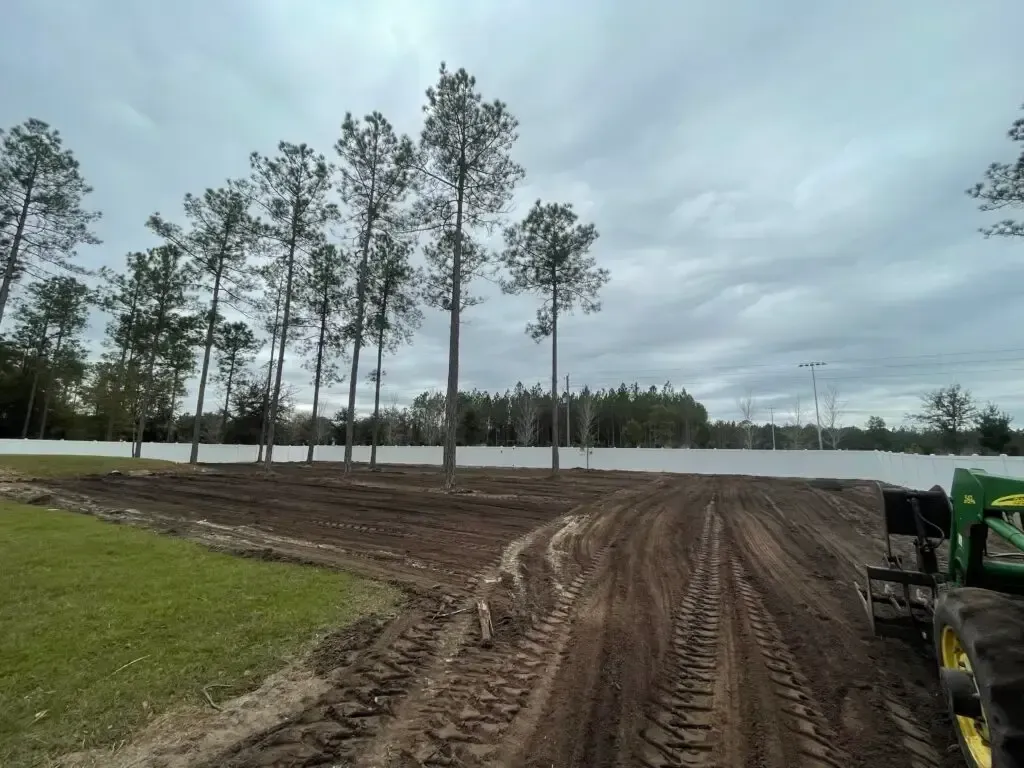
FARM AND YARD
Agricultural and Landscape Grading
Fields, pastures, garden areas, and lawns are graded for even surfaces and gentle drainage. Smoother ground makes mowing and planting easier and keeps topsoil from washing away during heavy rain.
THE WORD ON OUR WORK
WHAT OUR CLIENTS SAY.
Owners and builders who hire us for site work tend to mention accuracy and follow-through. Pads were where the plans said, trenches were ready when the utility crew arrived, and the site drained well after the first real storm. Those details matter to us on every job.
FAQs
FREQUENTLY ASKED QUESTIONS.
Grading can feel technical, so questions come up early in most projects. These answers explain the terms, timing, and decisions property owners usually ask us about before work begins.
What is the difference between rough grading and finish grading?
Rough grading moves large amounts of soil and rock to establish the overall shape, elevations, and drainage of a site. Finish grading comes later, smoothing the surface and spreading topsoil so lawns, landscaping, and walkways can sit on even ground.
How much should the ground slope away from a house?
Residential codes commonly require at least 6 inches of fall within the first 10 feet from the foundation. Where lot lines or steep terrain prevent that, shallow swales or drains are used to carry water safely away from the structure.
What is a building pad in construction?
A building pad is a level, compacted area prepared to support a structure. It is shaped from native soil or engineered fill, compacted in layers, and set at an elevation that lets the surrounding ground drain away from the foundation.
Why does fill dirt need to be compacted?
Loose fill contains air pockets that collapse over time, causing the ground above to settle unevenly. Compacting fill in thin layers creates a dense base that supports slabs, footings, and driveways without sinking or cracking once construction is fully finished.
How long does site preparation take before building?
Simple residential sites may be prepared in just a few days, while sloped, rocky, or wet properties take noticeably longer. Northwest Land & Timber schedules grading around Pilot Mountain, NC, weather, since saturated clay cannot be compacted properly until it dries.
Can grading fix a yard that holds standing water?
Often, yes. Reshaping low spots and adding swales moves surface water toward safe, stable outlets. When the problem is poor soil drainage rather than grade alone, underground drainage systems may also be needed to keep the area dry all year.
What does cut and fill mean in site grading?
Cut refers to soil excavated from high areas, and fill is soil placed in low areas to raise them. Balancing the two on the same property reduces hauling, keeps costs down, and creates the finished contours a building site needs.
What separates good grading work from poor grading work?
Good grading shows in the details: suitable equipment, attention to drainage, and knowledge of local soils. Northwest Land & Timber brings all three to sites in Pilot Mountain, NC, handling everything from clearing through final pad work, fully licensed and insured.
HOW WE WORK
FROM CLEARED LAND TO A READY SITE, HERE IS HOW.
STEP 01
Review Plans and Walk the Land
We look over your building plans or project goals, then walk the entire site together to study elevations, natural drainage, soil conditions, and access for equipment before any grading work is scheduled.
STEP 02
Mark Grades and Utilities
Pad locations, elevations, and trench routes are staked. Underground utilities are located through NC811 before any digging, so buried lines are protected and the work area stays safe for everyone on site.
STEP 03
Shape the Rough Grade
High areas are cut and low areas filled to establish the site's overall contour. Drainage paths are set at this stage, determining how water will move across the property for years to come.
STEP 04
Build and Compact the Pad
Fill is placed in thin layers and compacted until it is firm and consistent. The pad is shaped to the planned dimensions and elevation, giving your foundation contractor a stable, level surface to build from.
STEP 05
Dig Trenches and Footings
Utility trenches and foundation excavations are dug to the depths your plans require. Excavated spoil is managed neatly on the site, and trenches are backfilled and compacted once the lines are installed.
STEP 06
Stabilize and Hand Off
Exposed slopes are protected from erosion, drainage features are checked, and we walk the finished site with you. Your builder then receives ground that is fully ready for the next phase of construction.