

Residential Driveway Installation
RESIDENTIAL DRIVEWAY INSTALLATION IN PILOT MOUNTAIN, NC
Where a new driveway meets a state-maintained road in North Carolina, NCDOT access policy sets the minimum inside diameter of any driveway pipe at 15 inches, and a durable gravel drive typically rests on 4 to 6 inches of compacted ABC stone. Northwest Land & Timber provides residential driveway installation in Pilot Mountain, NC, building new gravel drives and right-of-way access roads, installing culverts where a route crosses a ditch or small stream, and repairing drives worn down or washed out by age and weather. We plan each route, its slopes, and its drainage together for homeowners across Surry County and the NC Triad.
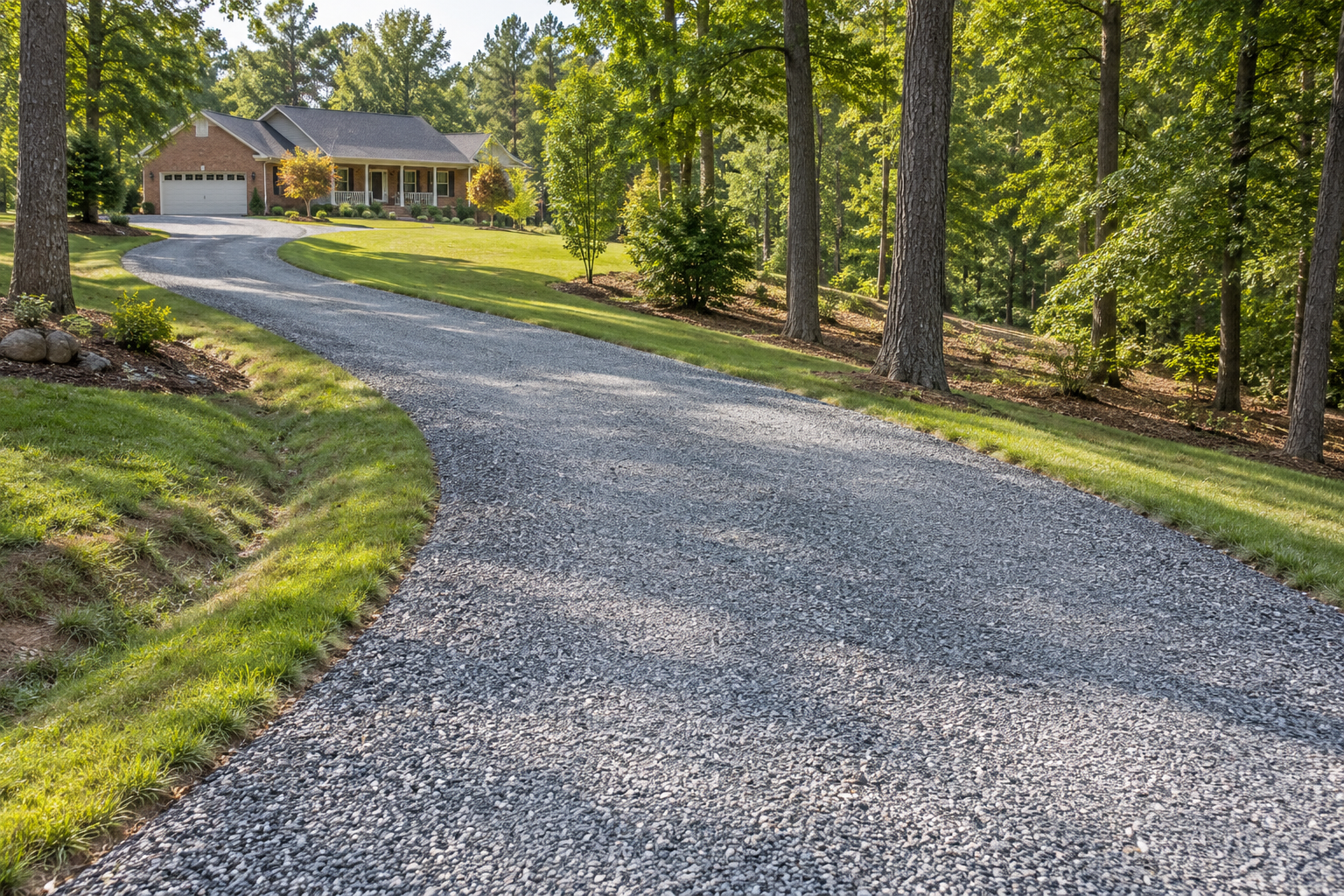
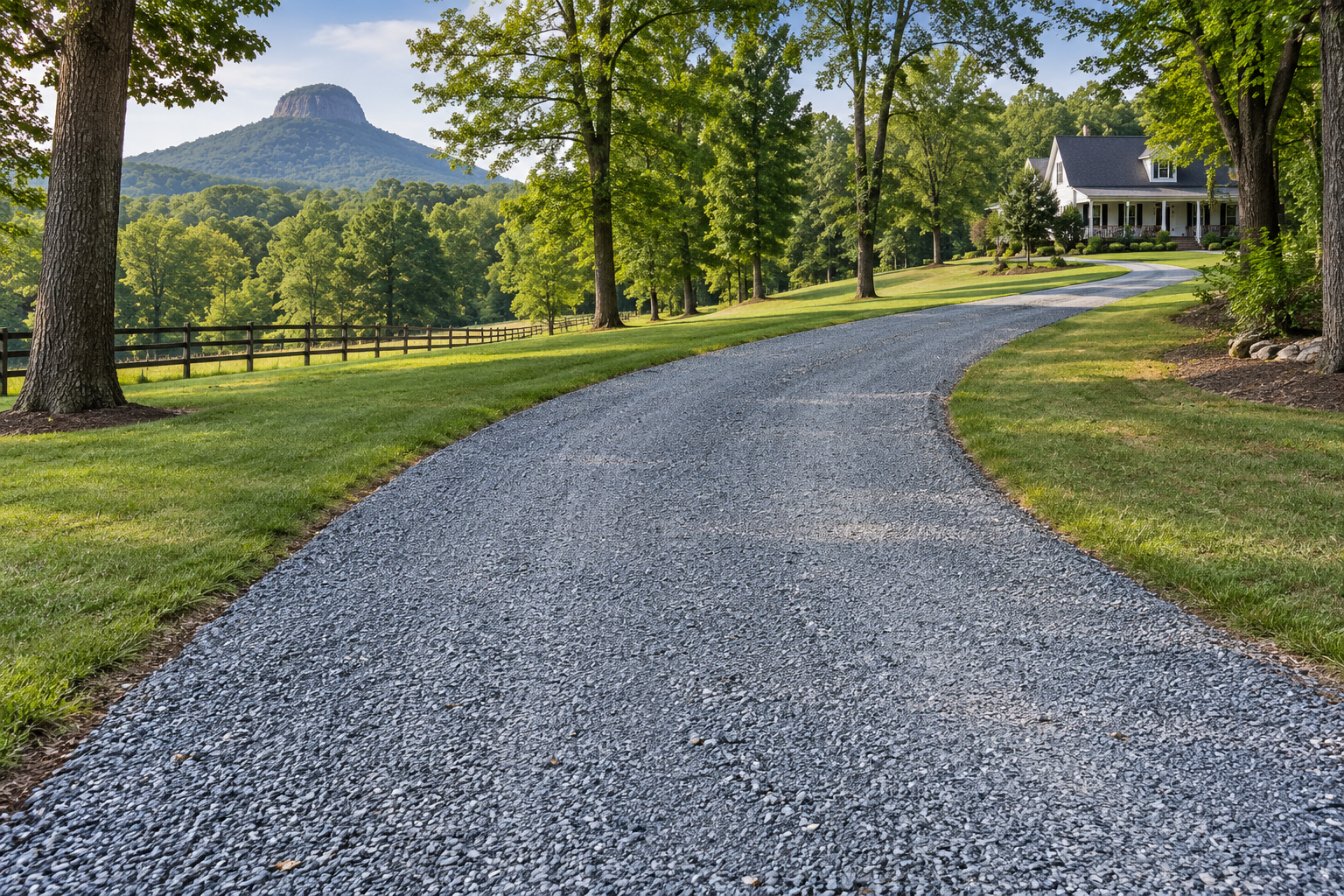
ACCESS IS THE FIRST THING A PROPERTY NEEDS.
A homesite without a reliable driveway is hard to build on and harder to live on. Concrete trucks, well drillers, and delivery vehicles all need solid ground to reach the pad, and a drive that turns to mud each spring stalls the whole project. Getting access right early keeps everything else on schedule.
We build drives that carry construction traffic now and daily driving for years afterward.
✓ New gravel drives and access roads
✓ Culverts at ditch and stream crossings
✓ Worn and washed-out drive repair
✓ Routes planned around slope and drainage
RESIDENTIAL DRIVEWAY INSTALLATION
YOUR ROUTE IN SHOULD WORK AS HARD AS YOU DO.
A good driveway starts with the route. We look at where the house will sit, where the road connects, and how the land rises and falls between them. From there, the path is cleared, the subgrade is shaped and compacted, and stone is placed in layers. The finished surface is crowned so rain runs off to the sides instead of down the middle, where it would carve ruts.
HILLS AND HOLLOWS SHAPE EVERY ROUTE WE BUILD.
Rolling terrain around Pilot Mountain means many drives climb, curve, or cross low ground on the way to a homesite. Steep sections need careful grading and drainage to stay passable, and low spots often call for a culvert so water can pass underneath. We lay out each drive to fit the land rather than forcing a straight line through it.
WASHOUTS TAUGHT US WHAT DRIVES NEED.
Serving property owners here for 5+ years, we have repaired enough failed drives to know why they fail: thin stone, no crown, blocked or missing culverts, and ditches that were never cut. Every drive we build is designed to avoid those mistakes from the start. Is your current driveway losing ground after every storm?
WHY CHOOSE US FOR RESIDENTIAL DRIVEWAY INSTALLATION.
Year-Round Access
A compacted stone base and a proper crown keep the drive firm through wet springs and winter freeze cycles, so you can reach your home without getting stuck or spinning tires in soft ground.
Fewer Washouts
Ditches, crowns, and culverts move stormwater off and under the drive instead of down it. Less erosion means fewer repairs, less lost gravel, and a surface that holds its shape for longer.
Construction-Ready Routes
Drives built before the house can handle concrete trucks, lumber deliveries, and heavy equipment. Your builder gets dependable access from the very first day instead of fighting mud throughout the project.
A Route That Fits the Land
Following the natural contours of the land keeps grades manageable, limits cut and fill, and preserves more of the mature trees and natural features you value along the way to your front door.
Clearing Handled In-House
Trees along the route can be harvested or cleared by the same team building the drive. You avoid coordinating separate contractors, and any marketable timber can help offset part of the cost.
Repairs That Last
Worn drives are rebuilt at the base, not just topped with fresh gravel. Correcting drainage and restoring the crown means the fix holds up long after the next heavy rain.
our services
OUR DRIVEWAY INSTALLATION WORK
Driveway projects range from a short spur off a paved road to a long access lane through wooded acreage. These are the pieces most residential drives include.
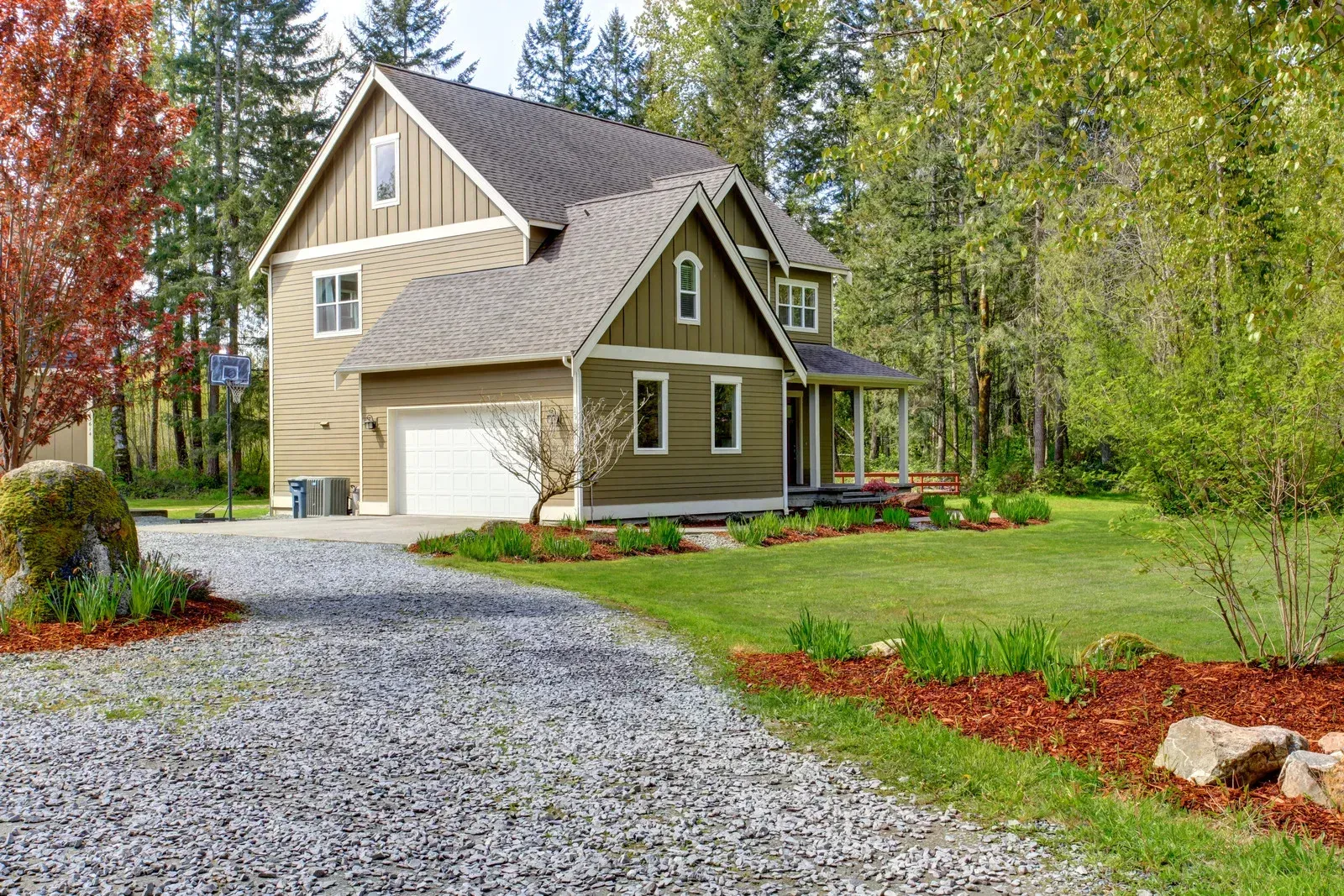
NEW DRIVES
Gravel Driveway Construction
New drives are built on a shaped and compacted subgrade with layered stone on top. The surface is crowned for drainage and sized for cars, trucks, and the construction traffic your homesite will see.
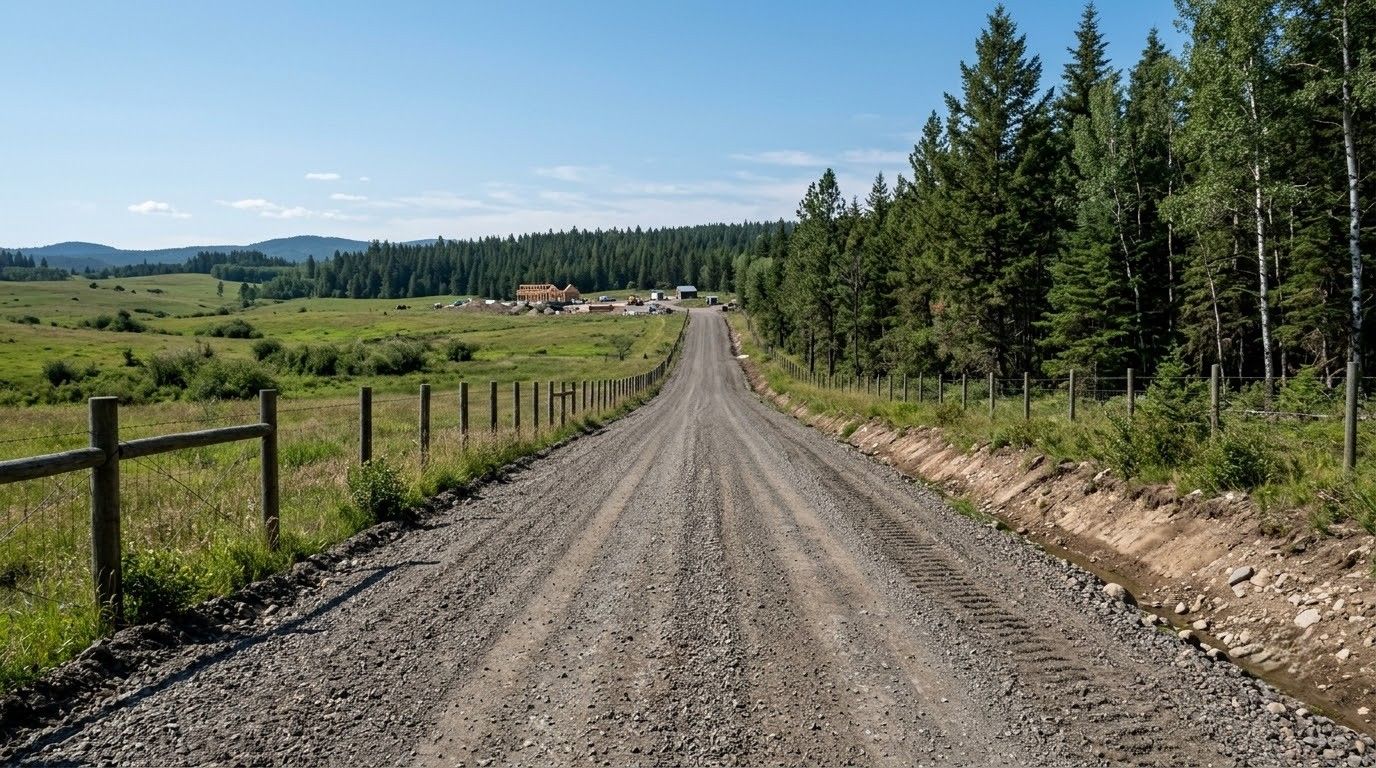
LAND ACCESS
Right-of-Way Access Roads
Longer access roads open landlocked or deep parcels, reaching building sites, pastures, and timber stands. Each road is routed along easement boundaries and graded to carry equipment and everyday vehicles safely.
ROUTE PREP
Driveway Clearing and Grading
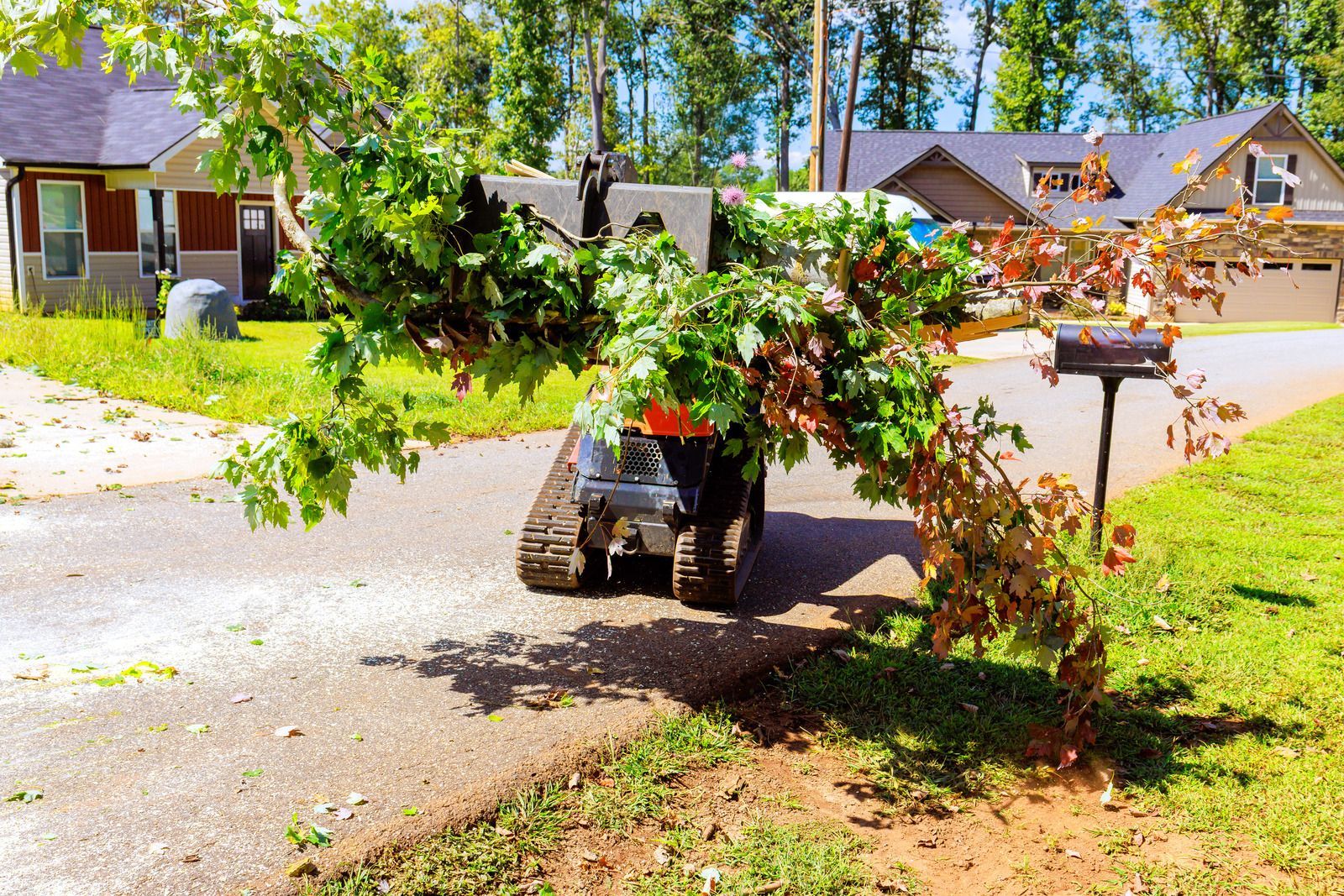
Trees, stumps, and brush are cleared along the planned path, and the ground is graded to a consistent slope. Proper subgrade preparation is what keeps the finished surface from rutting, sinking, or shifting.
CROSSINGS
Culvert Crossings
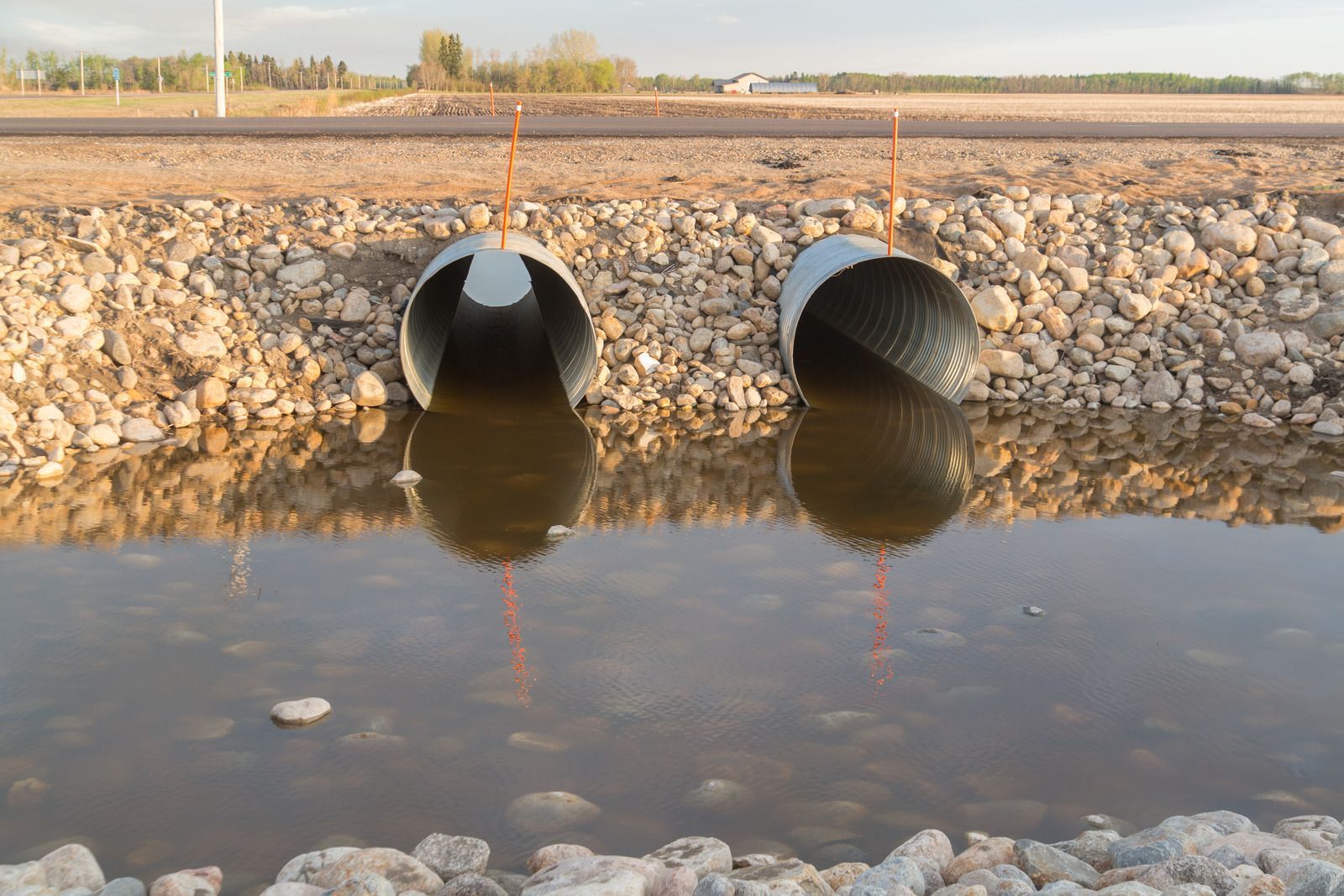
Where a drive crosses a ditch or small stream, a culvert pipe carries water beneath it. The pipe is bedded, backfilled, and covered with enough material to support vehicles passing overhead every day.
RESTORATION
Washed-Out Driveway Repair
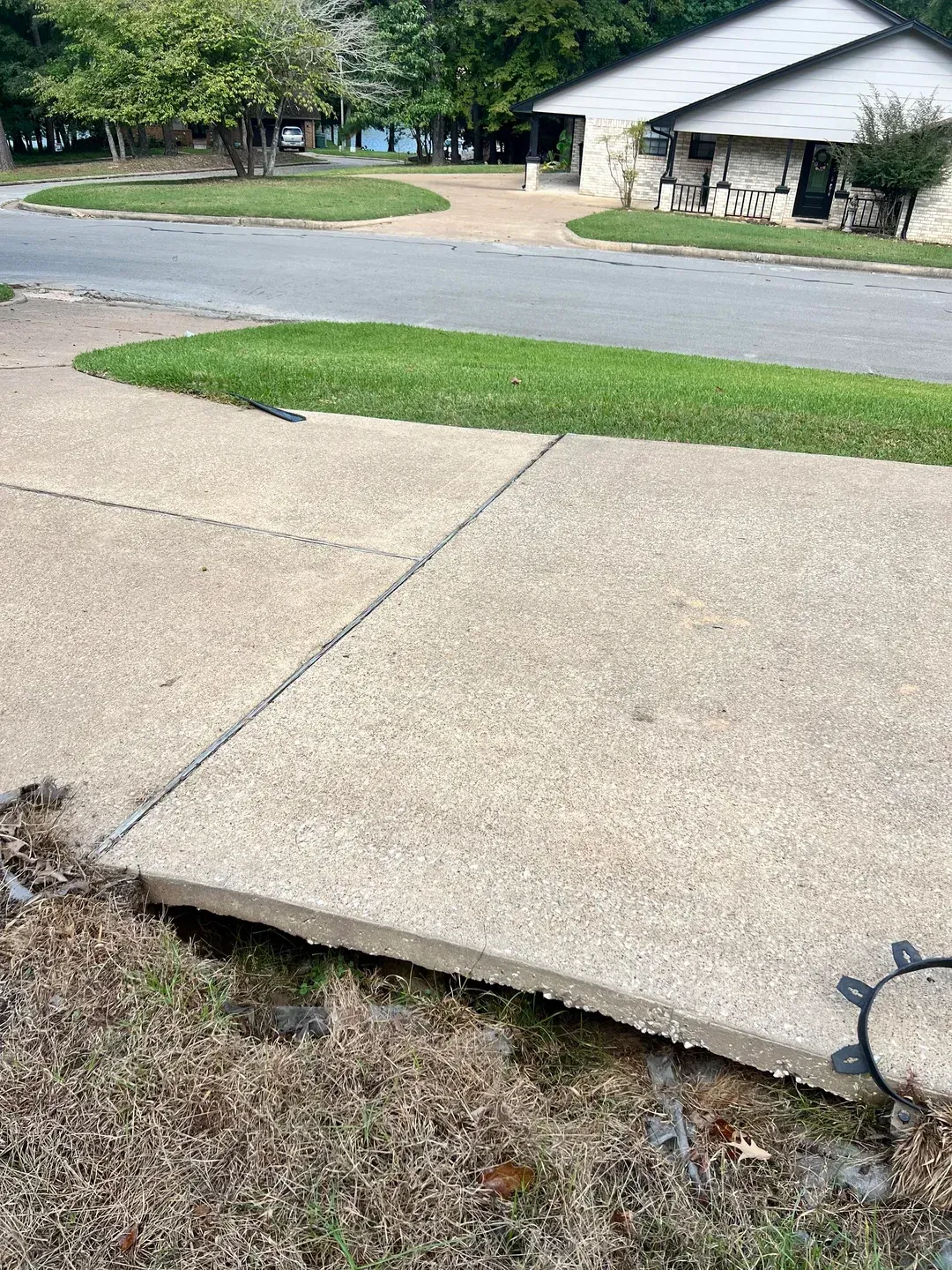
Gullied, potholed, and eroded drives are rebuilt by regrading the base, replacing lost stone, and correcting the drainage that caused the damage, so the repaired surface stands up to the next storm.
WATER CONTROL
Driveway Ditching and Crowning
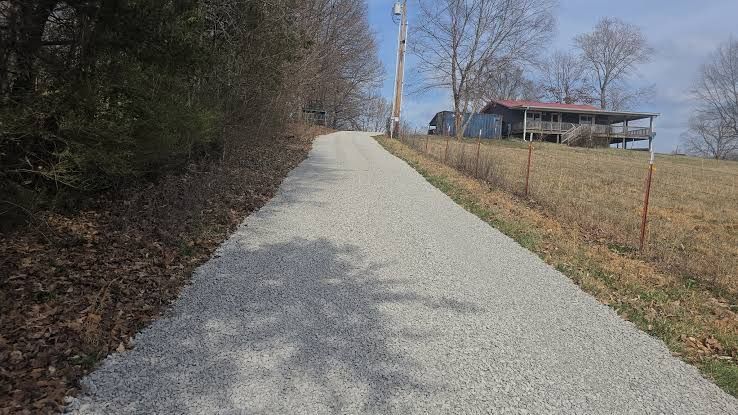
Side ditches and a raised center crown shed rainwater away from the driving surface. On existing drives, reshaping these features often solves recurring ruts and puddles without a full rebuild.
THE WORD ON OUR WORK
WHAT OUR CLIENTS SAY.
Homeowners often tell us the difference shows after the first hard rain. The drive stayed put, the ditches carried the water, and the car made it up the hill without trouble. They also mention a clean site and a route that respected the trees they wanted kept.
FAQs
FREQUENTLY ASKED QUESTIONS.
Driveway questions tend to center on materials, thickness, and drainage. These answers cover what homeowners ask most when planning a new drive or fixing one that keeps washing out.
What type of gravel is best for a driveway base?
Crushed stone with mixed particle sizes, often called ABC stone or crusher run in North Carolina, makes a strong base because the fines lock the larger pieces together. Cleaner, larger stone is sometimes added on top for traction and drainage.
How thick should a gravel driveway be?
Most residential gravel drives perform well with 4 to 6 inches of compacted base stone and a thin top layer. Soft clay, steep grades, or regular heavy truck traffic may call for thicker stone or a stabilizing fabric placed underneath.
Why does my gravel driveway keep washing out?
Washouts usually come from water running down the drive instead of off it. A missing crown, clogged ditches, or an undersized culvert sends runoff across the surface, where it carries stone away and cuts deep gullies during every heavy rain.
What is the crown on a gravel driveway?
The crown is a gentle rise along the center of the drive that sheds rainwater toward both sides. Without it, water pools in the wheel tracks, softens the base, and gradually turns small depressions into deeper potholes and long ruts.
How long does it take to build a gravel driveway?
A short residential drive on open ground can be finished in a day or two. Northwest Land & Timber allows more time in Pilot Mountain, NC, when a route needs clearing, significant grading, or culvert crossings before the stone goes down.
Do I need a permit for a driveway onto a state road?
Yes. Connecting a new driveway to a road maintained by NCDOT requires a driveway permit from the local district office, which reviews the location, sight distance, and pipe size before the connection is built at the edge of the road.
Should I build my driveway before or after my house?
Building at least the base course first is usually smart, since construction traffic needs firm access. Northwest Land & Timber often installs the base early on Pilot Mountain, NC, homesites and finishes the top layer once all the heavy equipment leaves.
What should I look for in a driveway installation contractor?
Ask how the route will drain, how thick the base will be, and whether culverts are included where needed. A contractor who explains crowning, ditching, and compaction is far more likely to build a drive that lasts through wet seasons.
HOW WE WORK
FROM ROAD EDGE TO FRONT DOOR, HERE IS HOW.
STEP 01
Walk the Proposed Route
We walk from the road to the homesite with you, looking at grades, low spots, trees, ditches, and streams so the best path and any needed crossings are clear before work begins.
STEP 02
Plan Drainage and Crossings
Ditch lines, crown, and culvert locations are planned alongside the route. Where the drive meets a state road, the connection is laid out to match the pipe size and location the permit requires.
STEP 03
Clear the Path
Trees, stumps, and brush are removed along the route, with any marketable timber set aside for sale. The corridor is opened wide enough for the drive, its ditches, and safe vehicle clearance.
STEP 04
Shape and Compact the Subgrade
The ground is graded to the planned slope and compacted to create a firm foundation. Soft spots are corrected now, because weaknesses left in the subgrade eventually show up as ruts on top.
STEP 05
Install Culverts and Stone
Culvert pipes are set at crossings, then base stone is spread in layers and compacted. The surface is crowned so rainwater moves quickly toward the side ditches instead of along the drive.
STEP 06
Finish and Walk It Together
Ditches are cleaned up, edges are dressed, and any bare soil is stabilized. We drive the finished route with you to confirm drainage, grades, and access before the project is closed out.