
Organic Debris Disposal & Recycling
ORGANIC DEBRIS DISPOSAL & RECYCLING IN PILOT MOUNTAIN, NC
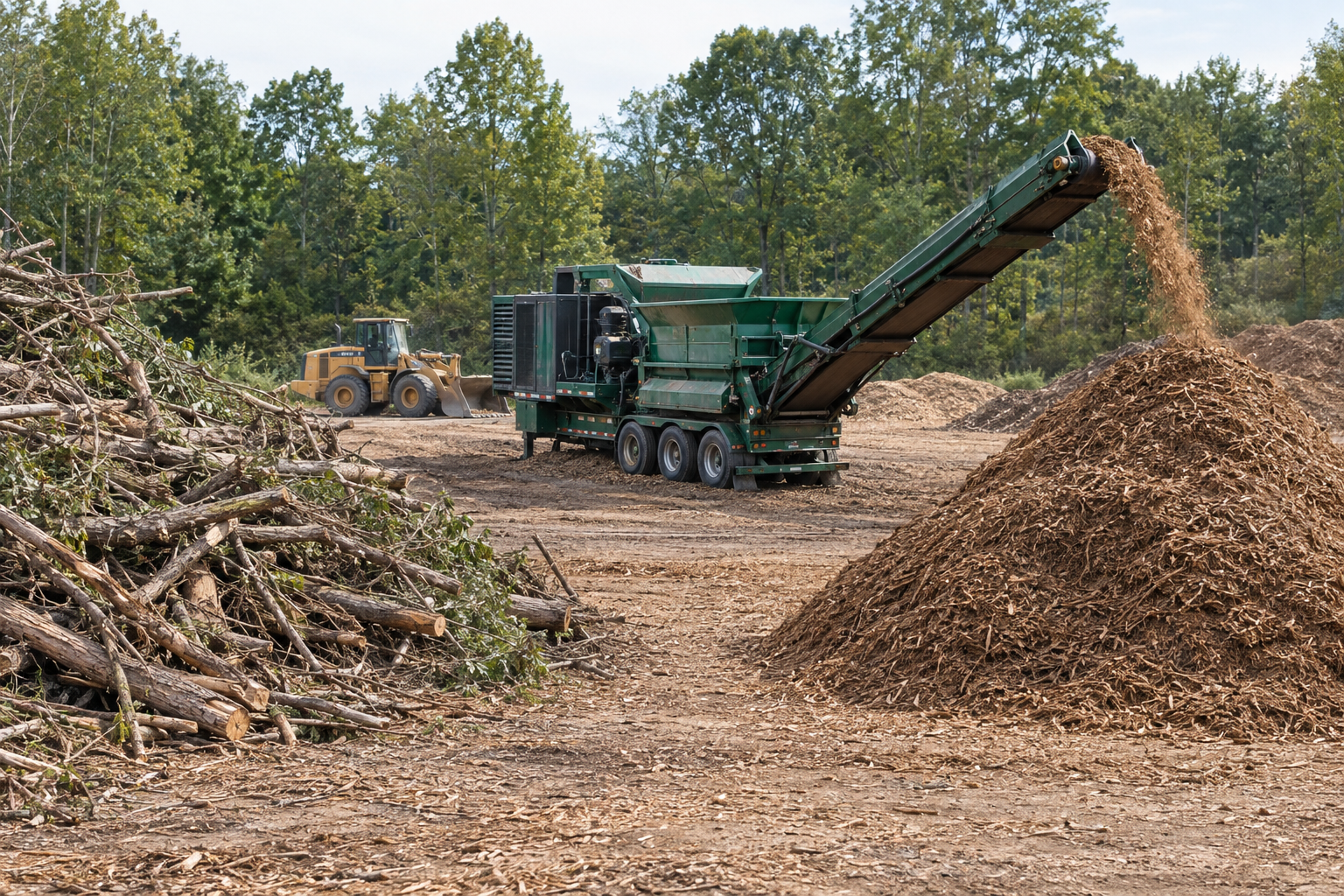
Burning land-clearing debris in North Carolina is allowed only when the pile sits at least 500 feet from occupied structures on other properties and 250 feet from a public road when the wind blows toward it, so on many small tracts, burning is simply not an option. Northwest Land & Timber provides organic debris disposal and recycling in Pilot Mountain, NC, grinding brush, limbs, treetops, and unmarketable wood into mulch that can be spread on site or stockpiled. For homeowners and landowners across Surry County and the NC Triad, we pair this work with clearing and harvesting so leftover material is handled responsibly.
A BRUSH PILE IS NOT A PLAN.
Clearing leaves behind far more material than most owners expect. Treetops, limbs, saplings, and crooked or damaged wood pile up fast, and a heap left to rot becomes a home for snakes and rodents, a fire hazard in dry weather, and an eyesore that blocks usable ground for years.
We turn that material into something useful, or remove it, so the site is actually finished.
✓ Brush and limbs ground into mulch
✓ Mulch spread on site or stockpiled
✓ Unmarketable wood kept out of landfills
✓ Debris handling agreed on up front
ORGANIC DEBRIS DISPOSAL & RECYCLING
YESTERDAY'S BRUSH BECOMES TOMORROW'S GROUND COVER.
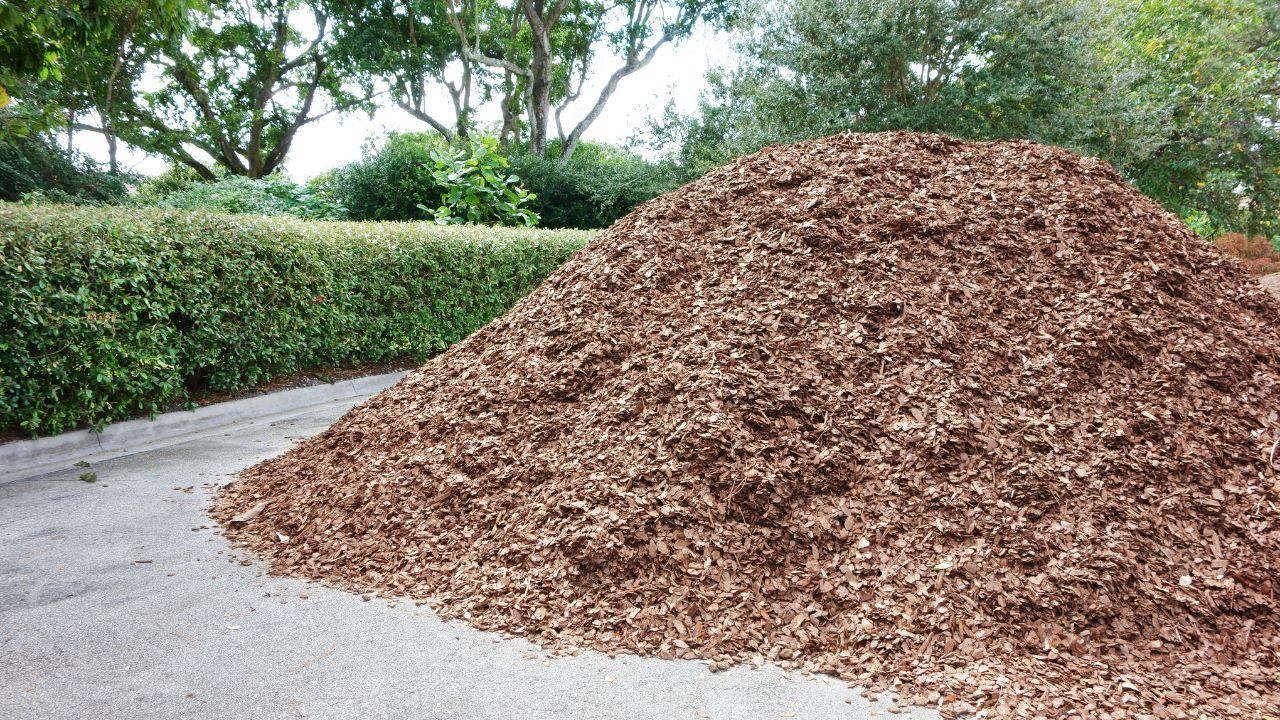
Ground wood makes an effective cover for bare soil, walking paths, equipment areas, and planting beds. Spread across a freshly cleared slope, mulch softens raindrop impact, slows runoff, and helps hold soil in place while grass or new growth takes hold. Stockpiled, it becomes a ready supply for landscaping and trail work, turning a disposal cost into material you can use around the property.
TIGHT FOOTHILLS TRACTS NEED SMARTER DISPOSAL.
Many properties around Pilot Mountain sit close to neighbors, roads, and outbuildings, which rules out open burning and makes large debris piles impractical. Mulching handles material right where it lies, avoids smoke complaints, and keeps trucks from making repeated trips down narrow country roads and gravel drives.
BRUSH PILES ARE A PROBLEM WE STOPPED CREATING.
Serving landowners here for 5+ years, we have seen too many clearing jobs end with a mound of rotting brush left behind for the owner to deal with. We plan debris handling from the first walk-through, so the material from your project has a destination before a single tree comes down. What would you do with ready mulch on your land?
WHY CHOOSE US FOR ORGANIC DEBRIS DISPOSAL & RECYCLING.
A Clean, Finished Site
Debris is processed or removed as part of the job, so you are not left with scattered limbs, stacked treetops, or half-rotted piles that block the ground you paid to have opened up.
Soil Protection
Mulch spread over freshly disturbed ground shields it from heavy rain and slows surface runoff. That reduces erosion on slopes and helps keep sediment out of ditches, streams, and neighboring property.
No Burn Restrictions to Worry About
Grinding avoids the setback distances, weather limits, and permit requirements that govern open burning. You also skip the smoke, ash, and neighbor concerns that come with torching large brush piles.
Free Material for Your Property
Mulch produced from your own trees can cover trails, garden beds, animal areas, and landscaping. You gain a useful ground cover instead of paying to bring in bagged or bulk material later.
Fewer Pests and Hazards
Removing brush piles eliminates shelter for snakes and rodents and reduces available fuel for a wildfire. The whole property stays safer for children, pets, and livestock moving around the cleared areas.
Less Waste Leaving the Site
Recycling wood right on site reduces the total volume that must be hauled away. Fewer loads mean less traffic on your drive and less material heading toward already crowded regional landfills.
our services
OUR DEBRIS DISPOSAL AND RECYCLING WORK
Every clearing or harvest leaves a different mix of material behind. These services cover how we process, reuse, or remove it based on what your property and your plans call for.
BRUSH WORK
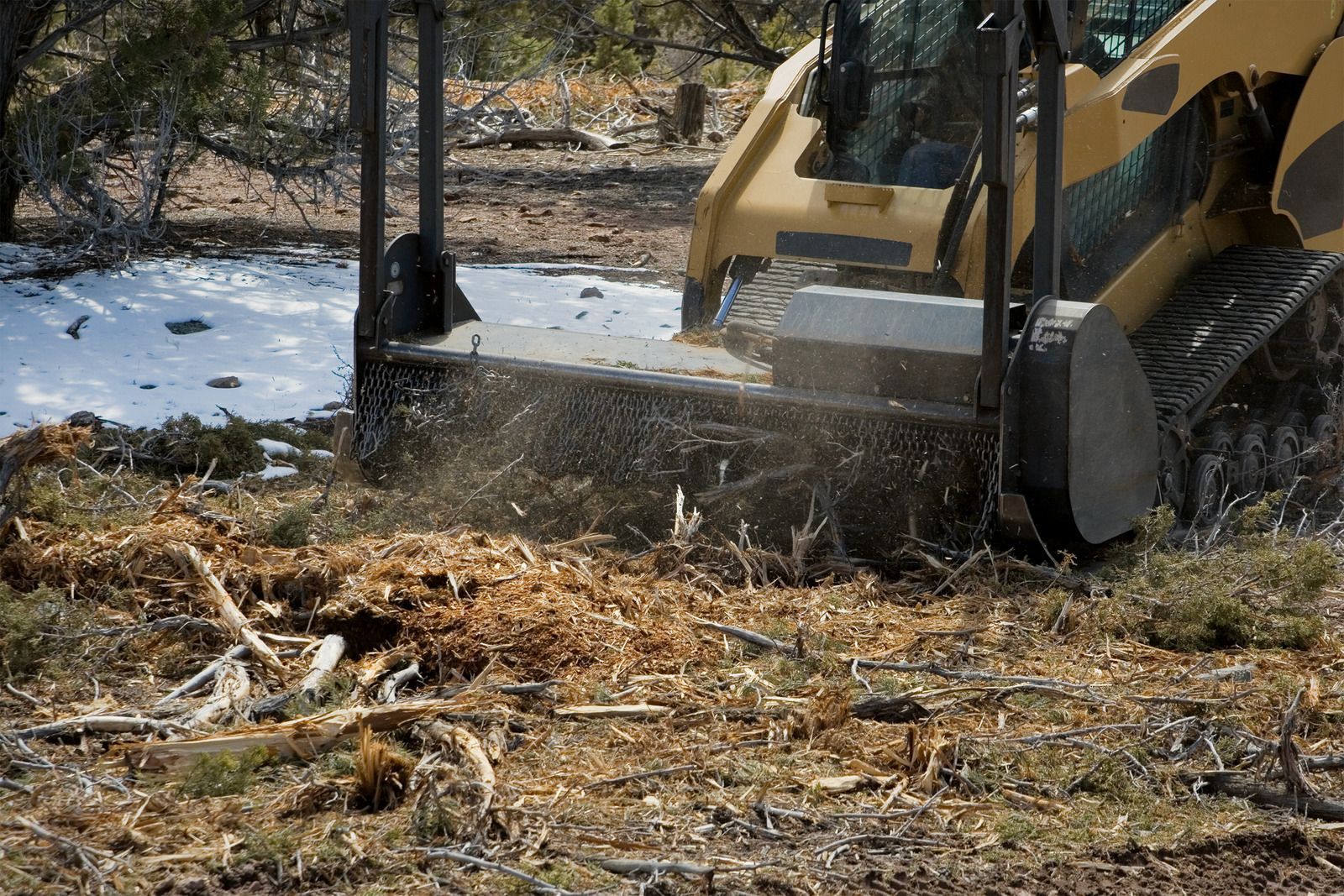
Brush Mulching
Thick brush, saplings, briars, and undergrowth are ground into mulch, reducing bulky vegetation to a manageable layer that can be spread across the site or gathered for use elsewhere on the property.
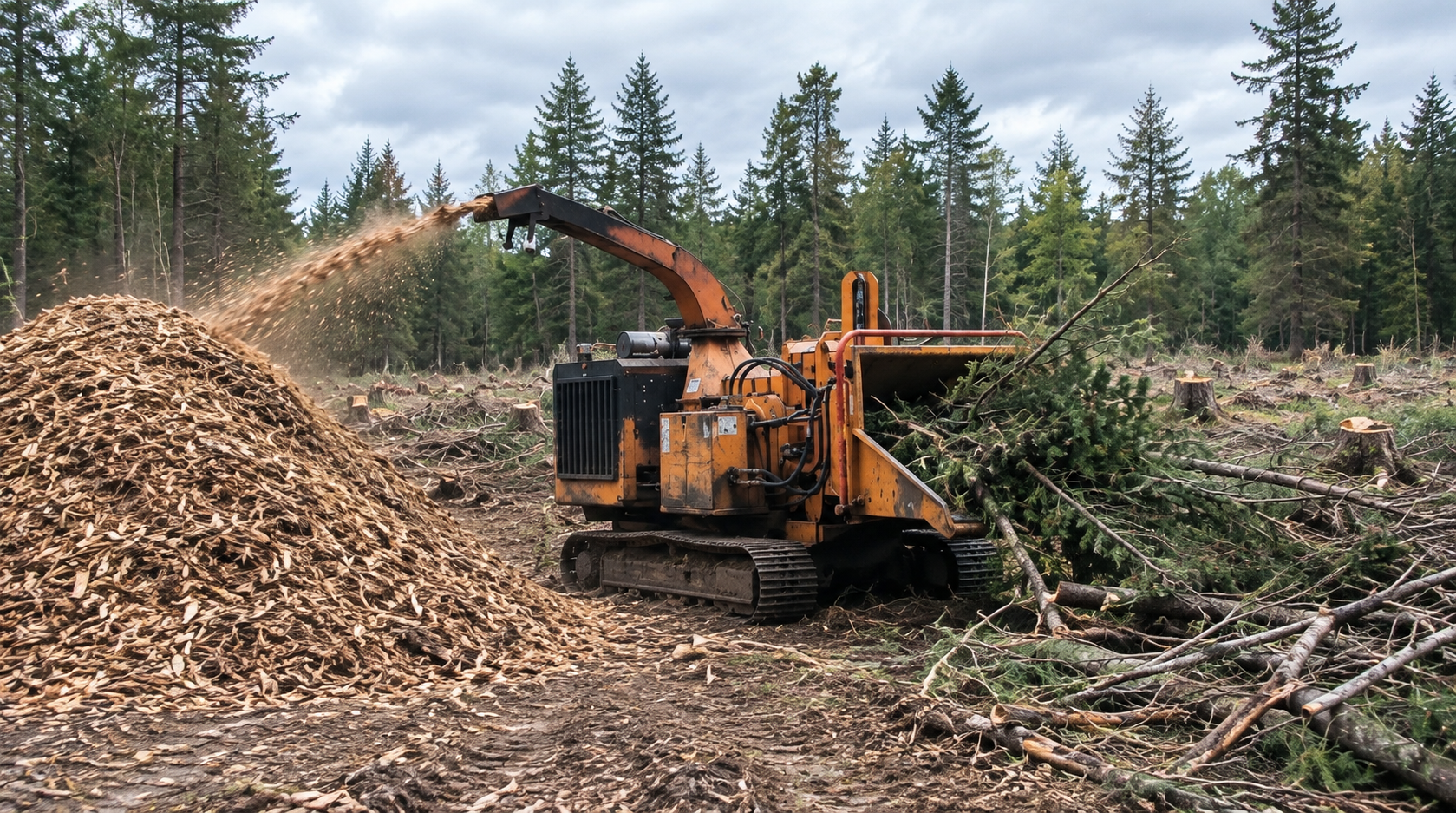
TREETOPS
Limb and Treetop Processing
Tops and limbs left from timber harvests and tree removal are processed into mulch instead of being piled. This clears the ground faster and turns bulky slash into material that breaks down naturally.
LOW-GRADE WOOD
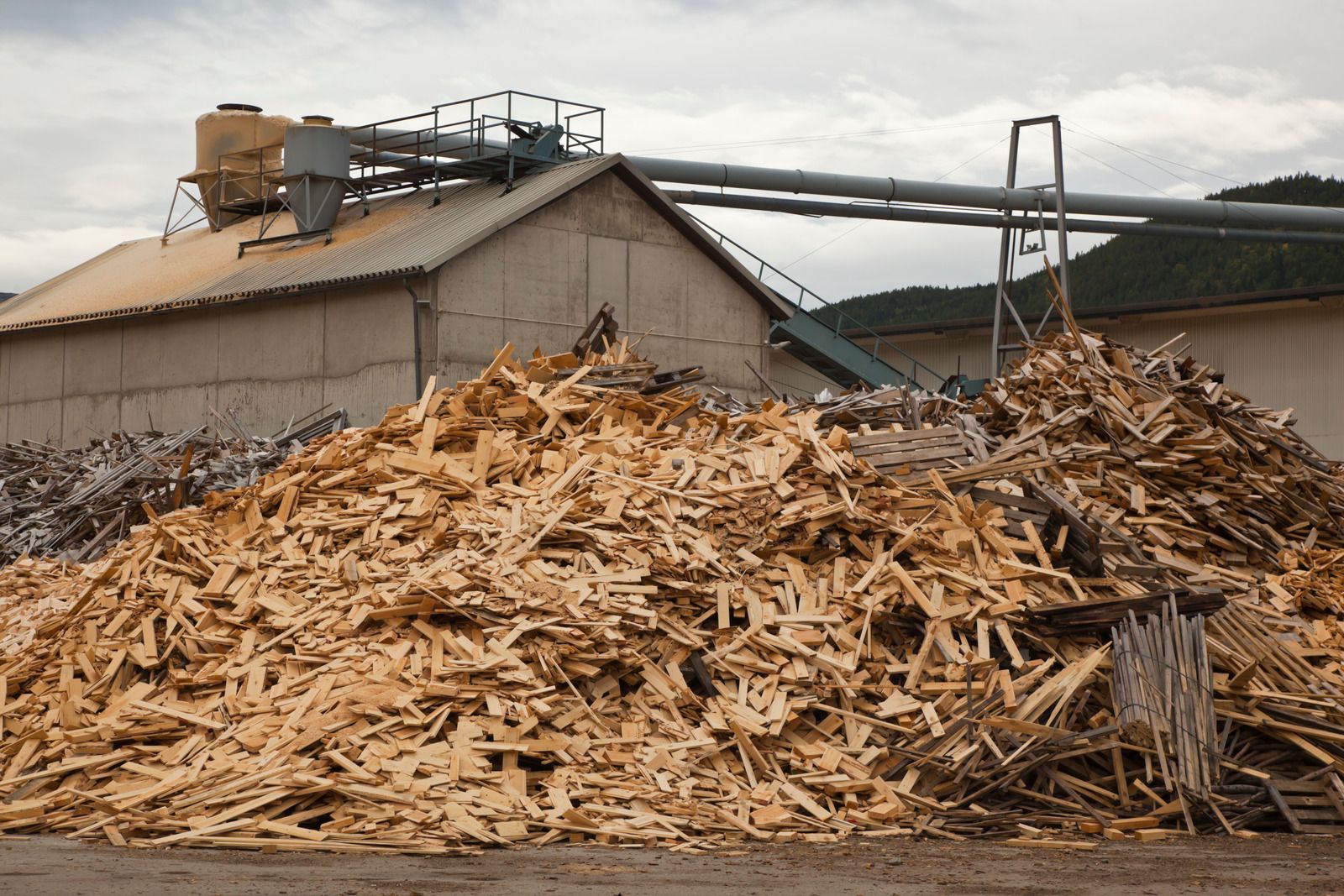
Unmarketable Wood Recycling
Crooked, damaged, or undersized wood that mills will not buy is recycled through mulching. Material that would otherwise be burned or buried gains a productive second use right on your land.
GROUND COVER
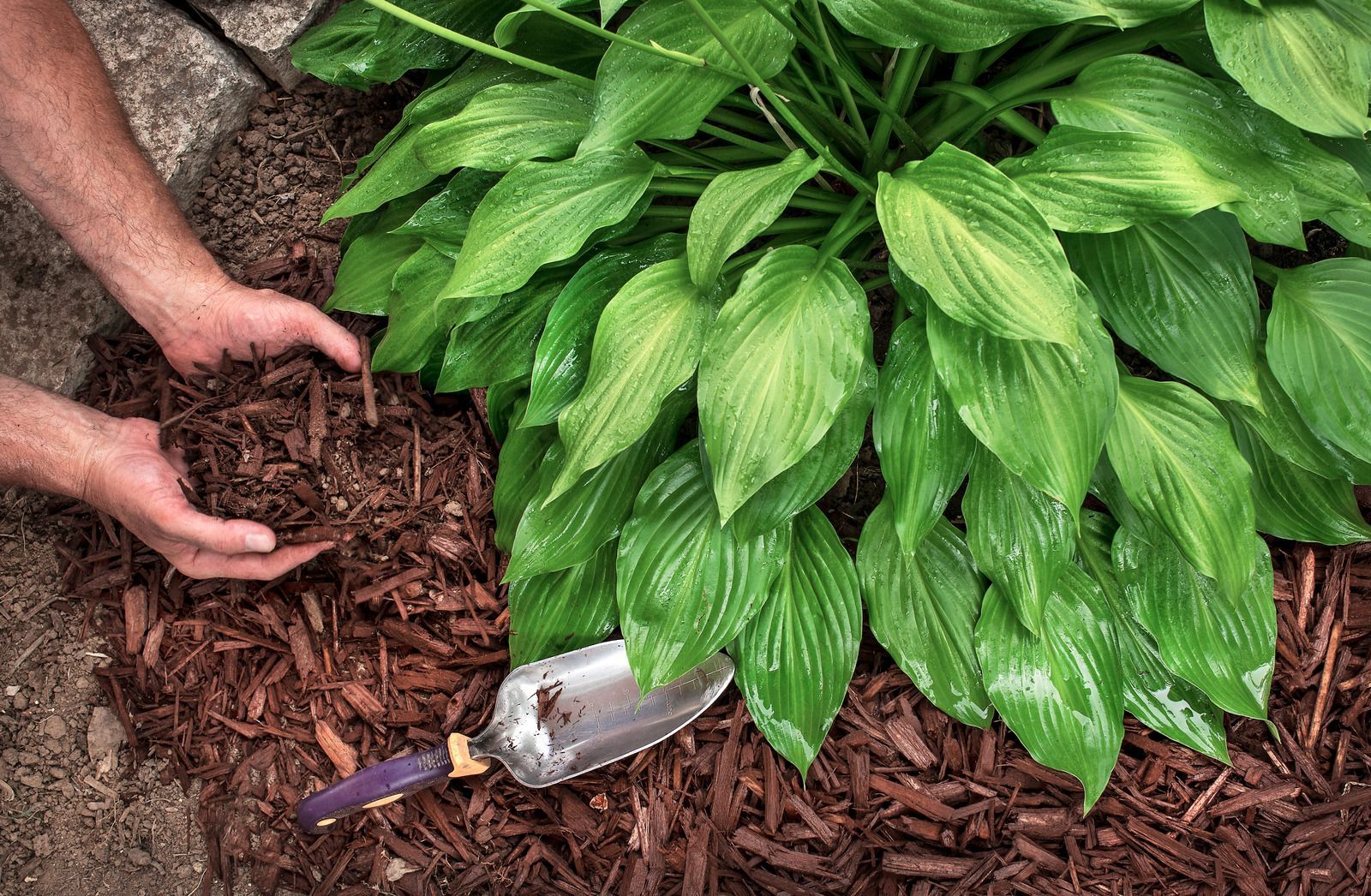
On-Site Mulch Spreading
Finished mulch is spread over bare soil, slopes, paths, and work areas. A consistent layer helps control erosion, suppresses weeds, and gives the cleared site a neater appearance while vegetation returns.
SUPPLY PILES
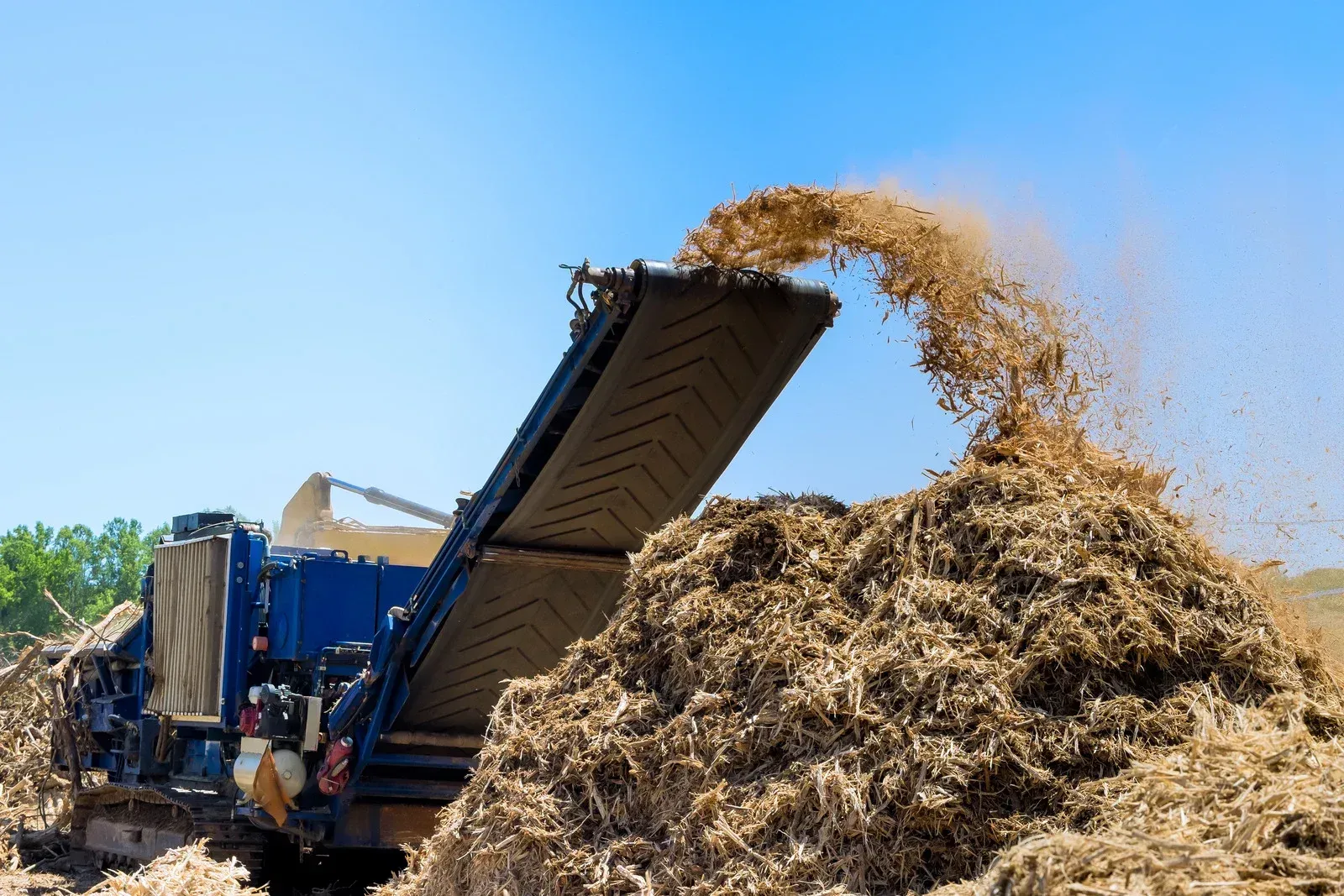
Mulch Stockpiling
Mulch can be gathered into a designated stockpile for future use. Owners draw from it for landscaping, trail maintenance, garden beds, and livestock areas as projects come up over the following seasons.
SITE CLEANUP
Debris Removal
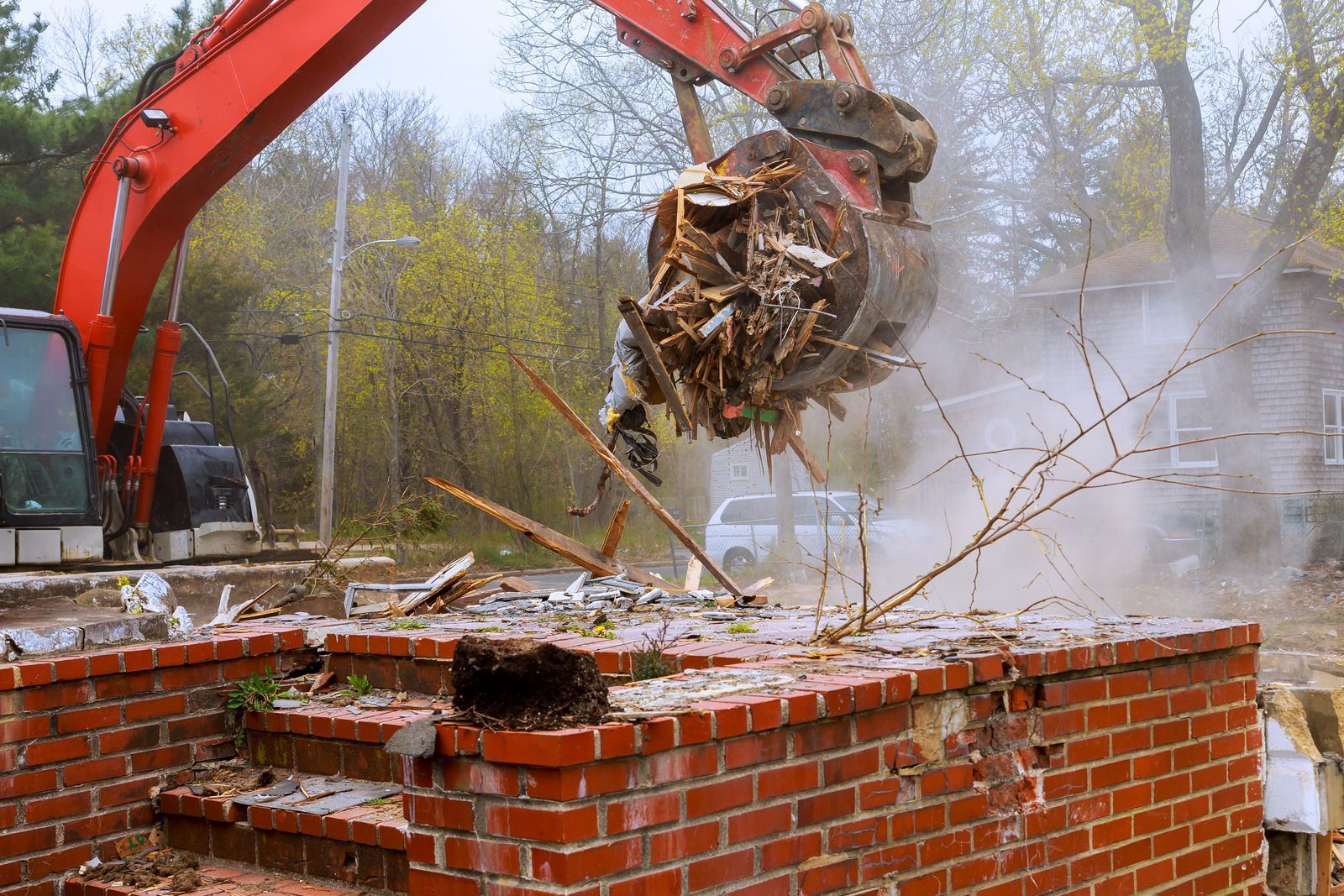
Material that cannot be recycled on site, such as rock-laden root balls or excess volume, is removed from the property. The work area is left clear and ready for grading, building, or planting.
THE WORD ON OUR WORK
WHAT OUR CLIENTS SAY.
Landowners often say they were surprised by how clean the property looked when we finished. Instead of brush piles, they found usable mulch, clear ground, and a site ready for the next phase. That tidy finish is something we plan for on every project.
FAQs
FREQUENTLY ASKED QUESTIONS.
Debris handling is one of the less talked about parts of land work, yet it affects cost, safety, and the finished look of your property. Here are answers to the questions we hear most often.
Is wood mulch from land clearing good for anything?
Yes. Ground wood from clearing works well on trails, slopes, equipment areas, and around trees and shrubs. It protects bare soil from erosion, holds moisture, and suppresses weeds, although fresh mulch is best kept away from vegetable beds at first.
Can I burn brush piles on my property in North Carolina?
Sometimes, but strict rules apply. Burning is limited to vegetative material, may require a permit from the North Carolina Forest Service, and land-clearing piles must meet distance requirements from occupied buildings and roads. Local burn bans can also restrict it.
How long does wood mulch take to break down?
Fine mulch from brush and leaves can break down within a year or two, while coarse wood chips and chunks often last several years. Moisture, particle size, and contact with soil all influence how quickly the material decomposes in place.
Does fresh wood mulch take nitrogen from the soil?
Fresh wood mulch can tie up nitrogen at the surface where it touches soil as microbes break it down. The effect is shallow, so it rarely harms mature, established trees, but new plantings may benefit from a little nitrogen fertilizer.
What happens to stumps during debris recycling?
Stumps carry soil and rock that make them hard to process into clean mulch. Northwest Land & Timber evaluates stumps on each Pilot Mountain, NC, project and decides whether they can be processed, set aside, or hauled off the site entirely.
Is it safe to leave brush piles on my land?
Brush piles can offer useful wildlife habitat in remote areas, but near homes they attract snakes and rodents and become fire hazards during dry spells. Piles close to structures, driveways, or property lines are usually best processed or removed promptly.
How much mulch does land clearing produce?
The volume depends on tree density, species mix, and how much brush covers the site. Northwest Land & Timber estimates expected material during the free walk-through in Pilot Mountain, NC, so you know whether to plan for spreading, stockpiling, or removal.
What should I ask a contractor about debris disposal?
Ask what happens to brush, limbs, stumps, and unmarketable wood, and whether handling is included in the price. Get the full plan in writing so you are not left with debris piles or unexpected disposal charges at the very end.
HOW WE WORK
FROM TANGLED DEBRIS TO USEFUL MULCH, HERE IS HOW.
STEP 01
Assess the Material
We walk the site to estimate the volume and type of debris, including brush, treetops, stumps, and wood that mills will not accept, and note any areas where mulch would be useful.
STEP 02
Agree on a Handling Plan
Together, we decide what will be mulched, where mulch will be spread or stockpiled, and what must be removed. The plan is settled before clearing or harvesting begins, so nothing is left undecided.
STEP 03
Separate Marketable Timber
Logs with sale value are pulled aside first so they reach a mill rather than the grinder. That keeps valuable wood working toward your project costs instead of becoming low-value ground cover.
STEP 04
Grind Brush and Wood
Brush, limbs, tops, and unmarketable wood are processed into mulch. Work proceeds in sections so the site stays organized and material is handled close to where it lies, limiting extra equipment traffic.
STEP 05
Spread, Stockpile, or Remove
Finished mulch is spread over bare ground or piled in the location you chose. Material that cannot be recycled on site is removed, leaving the work area clear for the next phase of your project.
STEP 06
Review the Finished Site
We walk the property with you to confirm that debris has been handled as agreed, slopes are covered, and the ground is ready for grading, building, planting, or simply enjoying the view.